
COPD and multimorbidity: recognising and addressing a syndemic occurrence
Most patients with chronic obstructive pulmonary disease (COPD) have at least one additional, clinically relevant chronic disease. Those with the most severe airflow obstruction will die from respiratory failure, but most patients with COPD die from non-respiratory disorders, particularly cardiovascular diseases and cancer. As many chronic diseases have shared risk factors (eg, ageing, smoking, pollution, inactivity, and poverty), we argue that a shift from the current paradigm in which COPD is considered as a single disease with comorbidities, to one in which COPD is considered as part of a multimorbid state—with co-occurring diseases potentially sharing pathobiological mechanisms—is needed to advance disease prevention, diagnosis, and management. The term syndemics is used to describe the co-occurrence of diseases with shared mechanisms and risk factors, a novel concept that we propose helps to explain the clustering of certain morbidities in patients diagnosed with COPD. A syndemics approach to understanding COPD could have important clinical implications, in which the complex disease presentations in these patients are addressed through proactive diagnosis, assessment of severity, and integrated management of the COPD multimorbid state, with a patient-centred rather than a single-disease approach.
Fuente original:
https://www.thelancet.com/journals/lanres/article/PIIS2213-2600(23)00261-8/fulltext#seccestitle10
Noticias relacionadas

Indoor radon exposure and COPD in never smokers: a case–control study in a radon-prone area in Spain
Study on indoor radon exposure and its association with COPD risk and severity in never smokers in a radon-prone region.

“GOLD E” VERSUS “FREQUENT EXACERBATOR” CLASSIFICATIONS IN COPD: A PROTEO-METABOLOMIC PERSPECTIVE [COMUNICACIÓN PREMIADA]
Comparison of COPD exacerbator classification systems (GOLD E vs Frequent Exacerbator) using proteomics and metabolomics to identify biological differences and biomarkers.

The ROME COPD exacerbation proposal works! Time to move forward
The ROME proposal for COPD exacerbations classification offers a new approach to assess severity and predict outcomes, improving clinical decision-making
Más artículos
COPD
- 759578·Alberto Papi et Al.-Relationships between symptoms and lung function in asthma and/or chronic obstructive pulmonary disease in a real-life setting: the NOVEL observational longiTudinal studY
- 759785·Richard Beasley et Al – Prevalence, Diagnostic Utility and Associated Characteristics of Bronchodilator Responsiveness
- 759788·Alvar Agustí, Rod Hughes, Eleni Rapsomaki, Barry Make, Ricardo Del Olmo, Alberto Papi, David Price, Laura Benton, Stefan Franzen, Jørgen Vestbo, Hana Mullerova – The many faces of COPD in real life: a longitudinal analysis of the NOVELTY cohort
- 759883·Alberto Papi, Rosa Faner, Ian Pavord, Federico Baraldi, Vanessa M McDonald, Mike Thomas, Marc Miravitlles, Nicholas Roche, Alvar Agustí. – From treatable traits to GETomics in airway disease: moving towards clinical practice
- 768799·Surya P Bhatt Richard Casaburi Alvar Agusti et Al. Chronic obstructive pulmonary disease: hiding in plain sight, a Statement from the COPD Foundation Medical and Scientific Advisory Committee
Recuerda que puedes acceder a varios enlaces a artículos dentro de la categoría EPOC en esta web. También puedes acceder otros enlaces en el Listado de Artículos de la Cátedra de Salud Respiratoria.
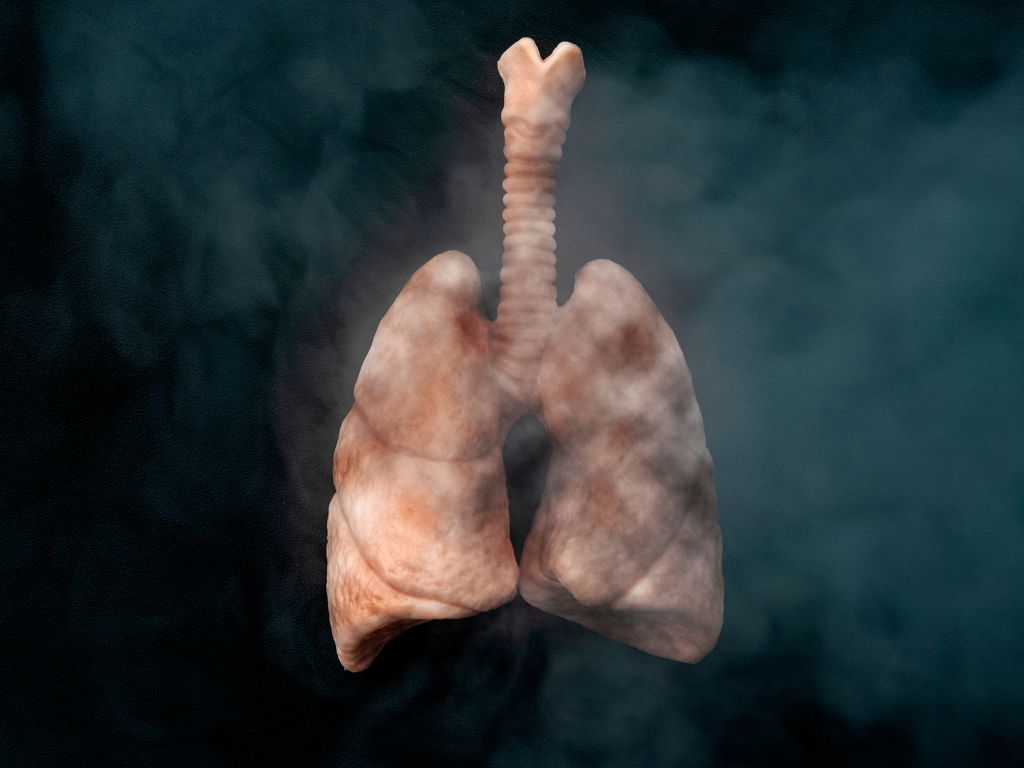
Imagen obtenida en canva pro