ECLIPSE: un estudio de tres años que cambió nuestra forma de entender la EPOC
A 20 años de ECLIPSE, repasamos el estudio que transformó la comprensión de la EPOC, revelando su heterogeneidad, progresión y biomarcadores clave.

A 20 años de ECLIPSE, repasamos el estudio que transformó la comprensión de la EPOC, revelando su heterogeneidad, progresión y biomarcadores clave.
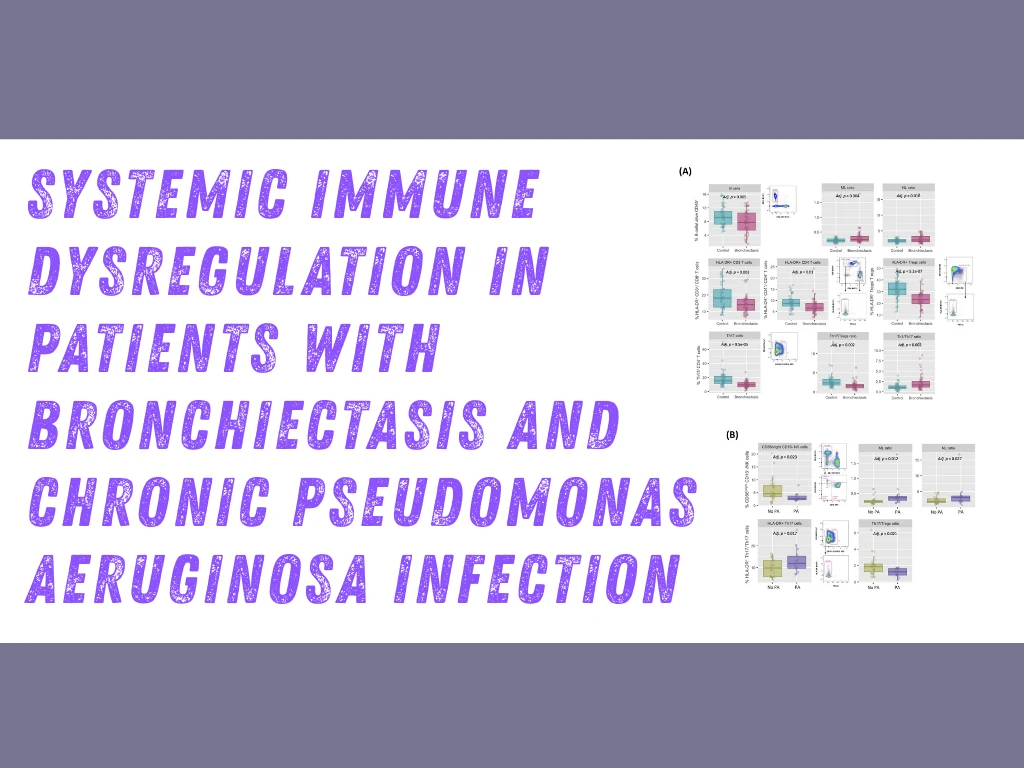
Study reveals systemic immune alterations in bronchiectasis patients with chronic Pseudomonas infection, highlighting persistent immune imbalance.
Research on idiopathic pulmonary fibrosis reveals how immune infiltrate differences in early stages influence disease progression. Study highlights the role of B cells, T cells, and NK cells as potential biomarkers.
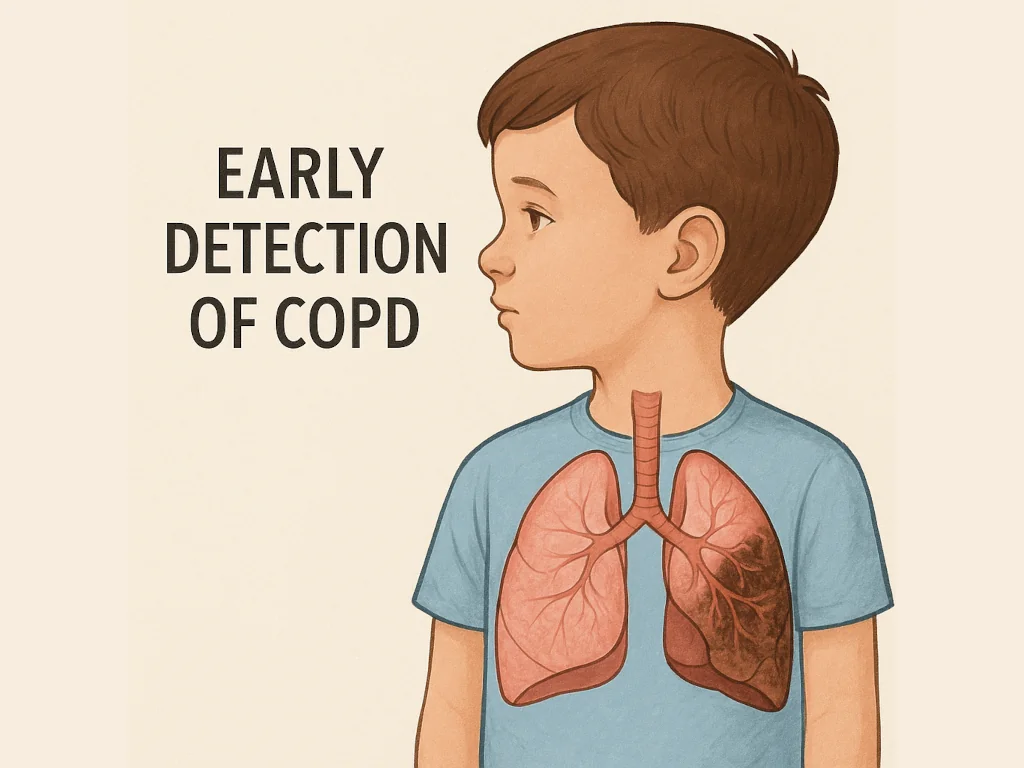
Discover how early-life genetic and environmental factors contribute to COPD and how emerging strategies aim to detect and intercept the disease early. Review from the European Respiratory Review, July 2025
This study identifies a metabolic signature of COPD patients, involving fatty acids, amino acid and carbohydrate metabolites, using LC-MS plasma profiling.
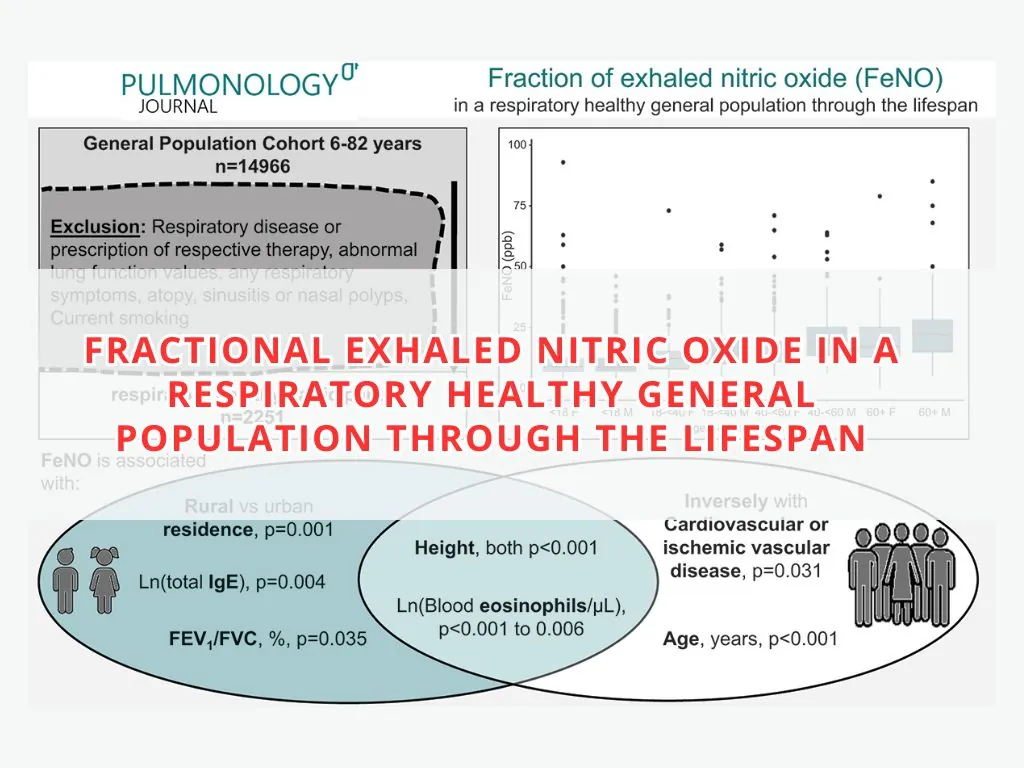
Discover the normal ranges of fractional exhaled nitric oxide (FeNO) across different age groups in a respiratory healthy population. Based on 2,251 participants, this study identifies factors like age, body height, and eosinophil counts that influence FeNO levels.
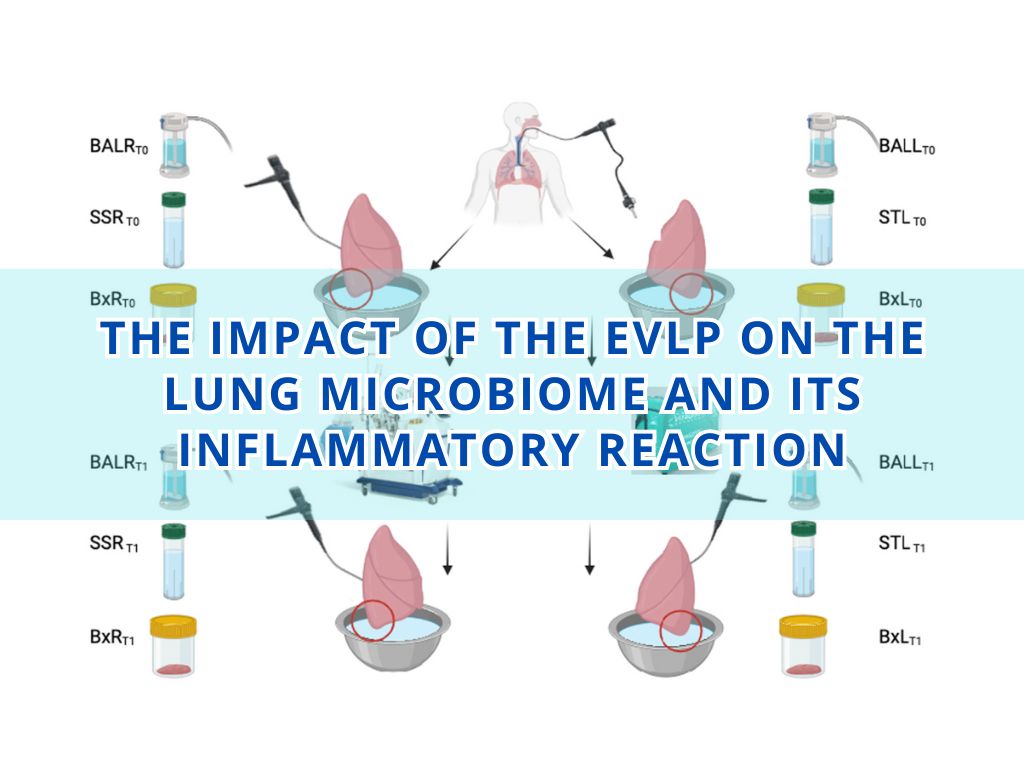
Discover the first study designed to analyze the impact of EVLP on the lung microbiome and the local inflammatory response. Understanding the composition, diversity, and functional interactions of the pulmonary microbiome in lung transplants holds promise for personalized respiratory medicine.
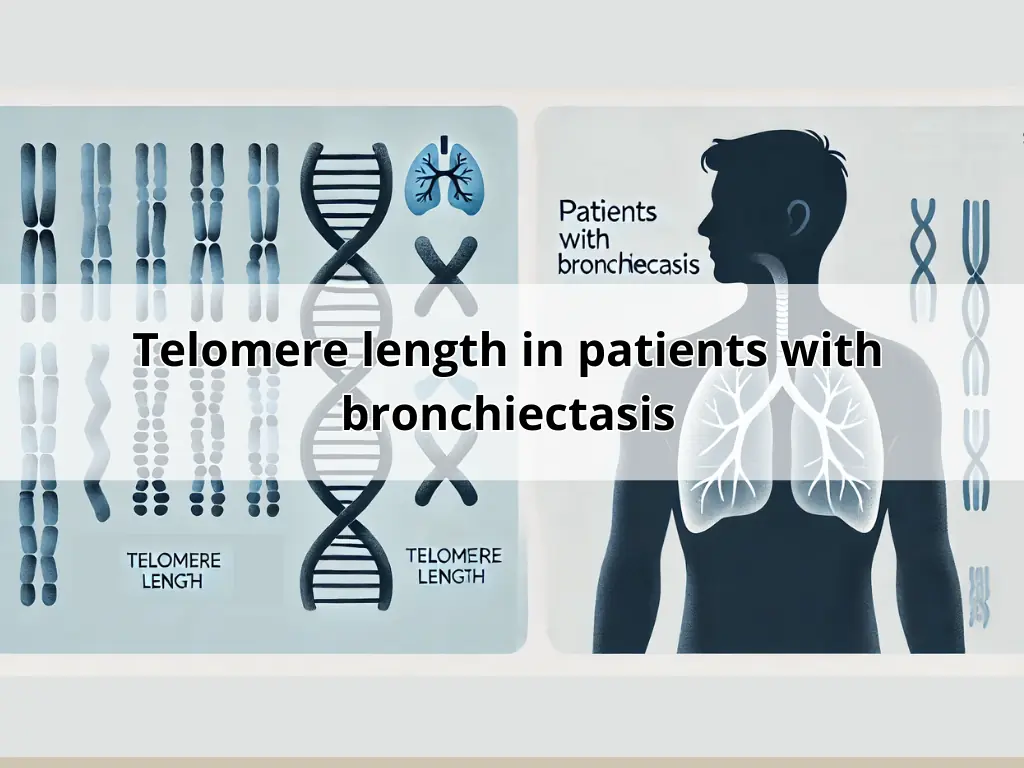
This study investigates telomere length (TL) in bronchiectasis patients, comparing them to COPD patients and healthy controls. Findings show no significant TL reduction in bronchiectasis compared to controls, but a trend towards shorter TL in idiopathic cases. Further research is needed to understand TL’s role in bronchiectasis.
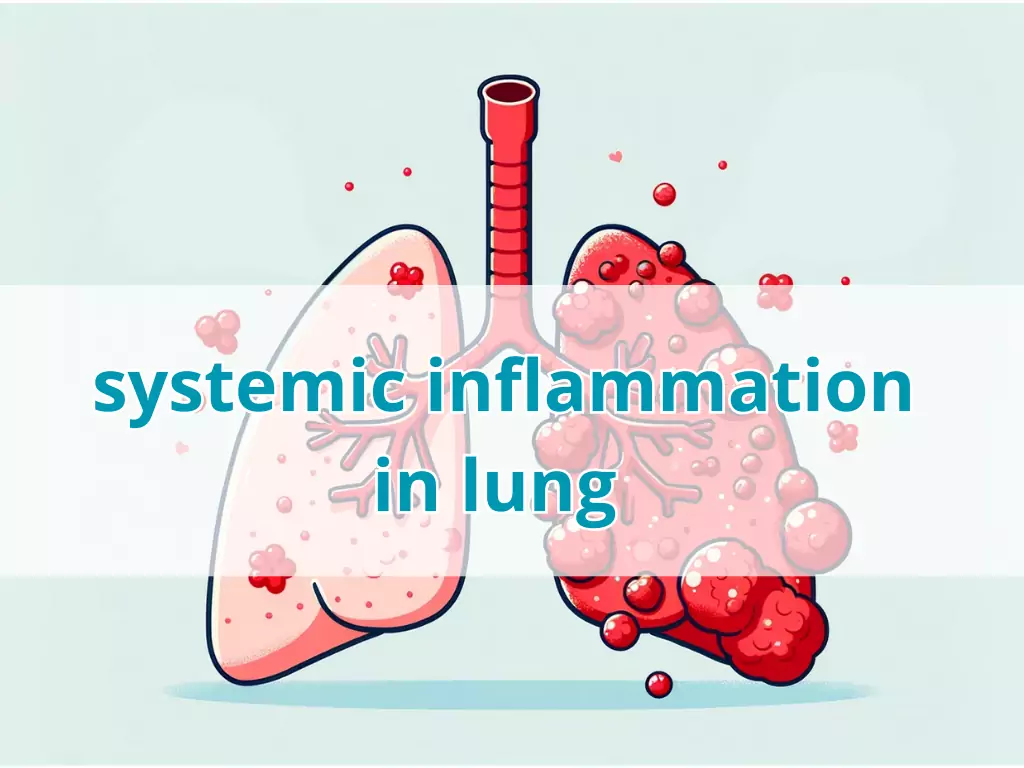
Explore how systemic inflammation differs between brain-dead (DBD) and circulatory-dead (DCD) lung donors and its impact on primary graft dysfunction (PGD) and mortality in lung transplant recipients.
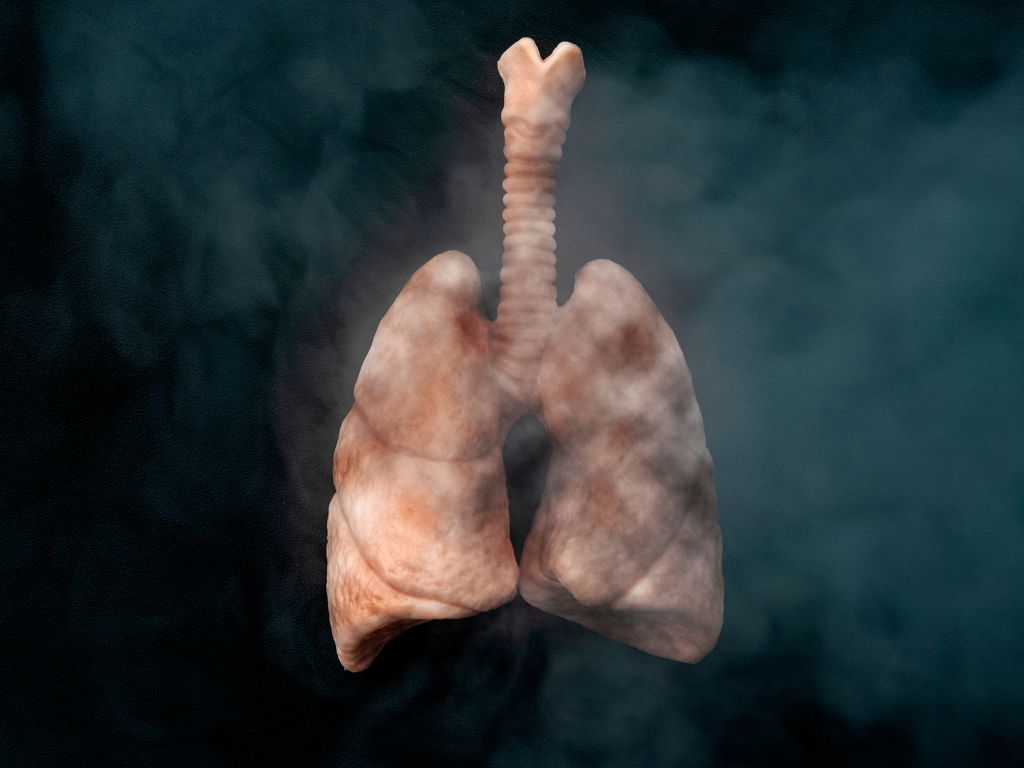
Most patients with chronic obstructive pulmonary disease (COPD) have at least one additional, clinically relevant chronic disease. Those with the most severe airflow obstruction will die from respiratory failure, but most patients with COPD die from non-respiratory disorders, particularly cardiovascular diseases and cancer.