The early-stage lung immune infiltrate in patients with Idiopathic Pulmonary Fibrosis differentiate stable and progressive disease

Early-stage lung immune infiltrate in idiopathic pulmonary fibrosis
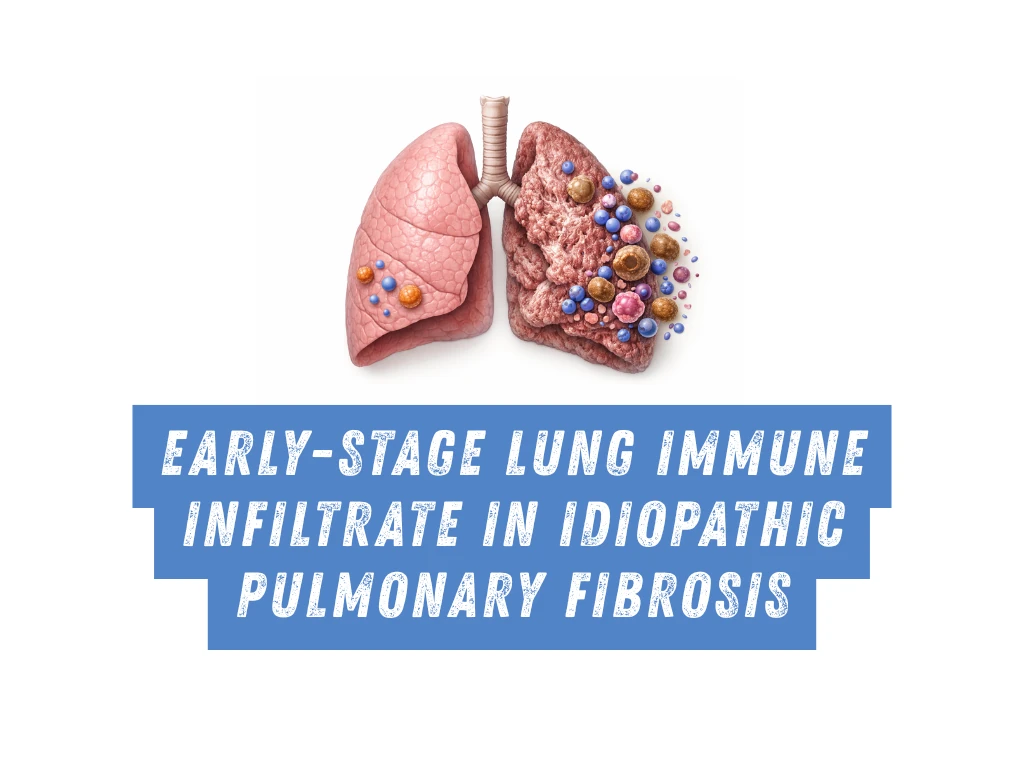
Early-stage lung immune infiltrate in idiopathic pulmonary fibrosis and its association with stable versus progressive disease in early IPF patients.

Early-stage lung immune infiltrate in idiopathic pulmonary fibrosis

Background
Disease progression is highly variable and unpredictable in patients with idiopathic Pulmonary Fibrosis (IPF). In our previous works we described two subgroups of end-stage IPF patients with different lung immune infiltrate.

This study address if these different lung immunophenotypes are present in early disease and if they are associated to differences in disease progression.

Objectives: immune infiltrate and disease progression in early IPF

To compare the lung immune infiltrate in early IPF stages and associate it with the disease progression.

Methods: immune profiling in early-stage IPF

Diagnostic biopsy samples of 8 patients with IPF were stained with 27 antibodies conjugated with metals and acquired using Imagine Mass Cytometry (Hyperion).

The panel covered more than 20 immune cell types and subpopulations. Patients were clinically followed up for 1 to 10 years.

Disease progression was defined as above annual Forced vital capacity (FVC) decline >= 10%, Diffusing capacity for carbon monoxide (DLCO) decline >= 15% and/or death within the first year of follow-up.

Results: immune differences between stable and progressive IPF

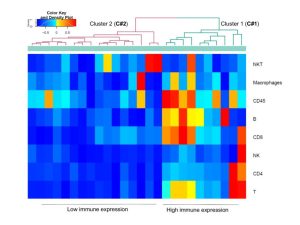
IPF progressors presented a lung immune infiltrate enriched in B cells and T cells with activation/exhaustion features, while patients with stable disease had more NK cells, CD8+ T cells and Th1, Th17 and memory CD4+T cells.

An aberrant B cell population expressing CD56 was observed in IPF progressors.

Conclusions: early immune infiltrate and IPF progression

Differences in the early-stage IPF lung immune infiltrate associate with disease progression suggesting a key role of specific immune cell types in the pathobiology of the disease.

Authors

Tamara Cruz Santa Cruz, Fernanda Hernandez-Gonzalez, Dani Martinez, Sandra Casas-Recasens, Alvar Agusti, Jacobo Sellares, Rosa Faner

Read more details at

Fecha de publicación

Published online 18 November 2025

Categorías asociadas al artículo

Noticias relacionadas

Imagen desarrollada ChatGPT y Canva

Entérate de
Nuestras Publicaciones

Loading
Logotipo Universitat de Barcelona - Càtedra de Salut Respiratòria
Resumen de privacidad

Esta web utiliza cookies para que podamos ofrecerte la mejor experiencia de usuario posible. La información de las cookies se almacena en tu navegador y realiza funciones tales como reconocerte cuando vuelves a nuestra web o ayudar a nuestro equipo a comprender qué secciones de la web encuentras más interesantes y útiles.