Respiratory Preceptorship 2026 to be held at Món Clínic Barcelona
Explore the Respiratory Preceptorship 2026 at Món Clínic Barcelona, featuring expert sessions on asthma, COPD, pulmonary rehabilitation and respiratory medicine.
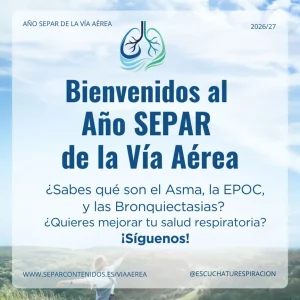
Año SEPAR de la Vía Aérea 2026/27: una iniciativa para mejorar la salud respiratoria
Descubre el Año SEPAR de la Vía Aérea 2026/27 y sigue sus contenidos sobre asma, EPOC y bronquiectasias para mejorar la salud respiratoria.
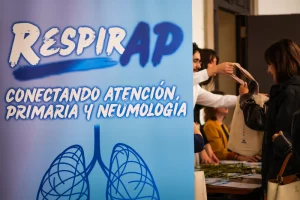
Jornada RespirAP 2026: conexión entre Atención Primaria y Neumología para mejorar la atención al paciente respiratorio
Jornada RespirAP 2026 con las principales novedades en enfermedades respiratorias, Atención Primaria y Neumología presentadas por expertos nacionales.
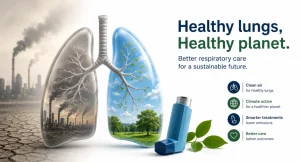
Climate change and respiratory health: implications for respiratory clinicians in primary and specialist care
How climate change affects asthma and COPD, the role of air pollution and inhalers, and why sustainable respiratory care matters for patients and clinicians.
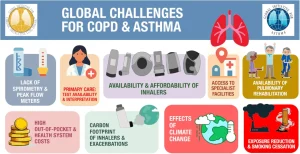
Addressing the Global Challenges of COPD and Asthma: A Shared Vision From the Global Initiative for Chronic Obstructive Pulmonary Disease (GOLD) and the Global Initiative for Asthma (GINA)
Analysis of the global challenges of COPD and asthma and the shared vision of GOLD and GINA to improve diagnosis, access to inhaled therapies and patient outcomes worldwide.
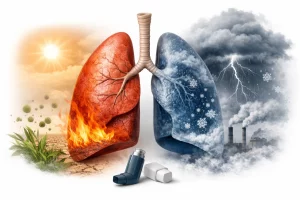
Climate change and respiratory health: implications for respiratory clinicians in primary and specialist care
Review on climate change and respiratory health, focusing on chronic respiratory diseases and implications for primary and specialist care.