
Moving to better COPD care—changes to and challenges for GOLD.
COPD care and GOLD 2026: disease activity, exacerbation risk, treatment escalation and multimorbidity in a more proactive approach.

COPD care and GOLD 2026: disease activity, exacerbation risk, treatment escalation and multimorbidity in a more proactive approach.

Universal longitudinal spirometry from childhood: GOLD proposes monitoring lung function trajectories to preserve lifelong respiratory health.
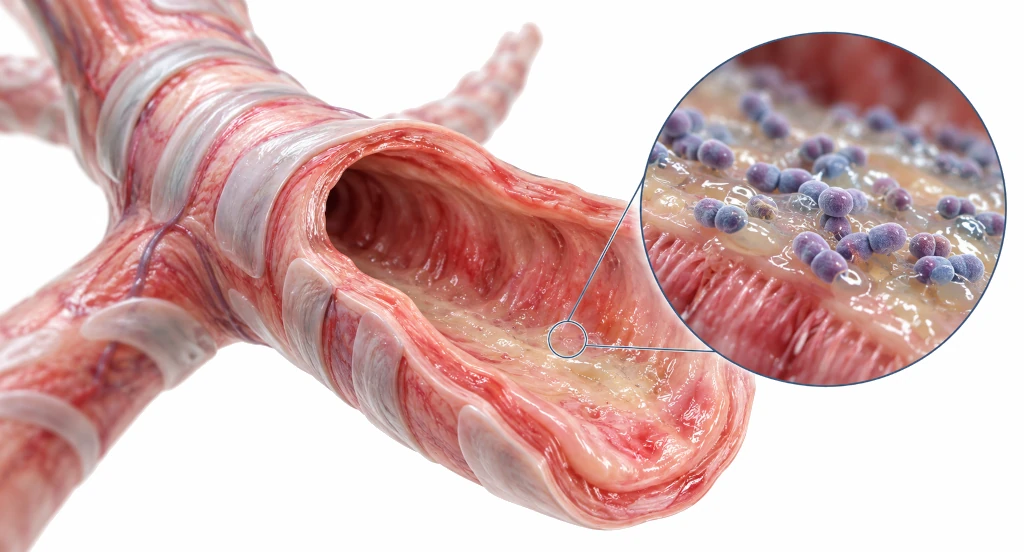
Haemophilus in COPD: a study of bronchial microbiome composition, exacerbation patterns, hospital admissions and relationships with blood interleukin-8 levels.

Explore a proposed consensus definition of severe COPD and a structured work-up addressing symptoms, functional impairment, quality of life and clinical characteristics.

COPD awareness in Africa is low: the RACE Africa survey in seven cities finds limited knowledge of risk factors and symptoms compared with asthma and HIV.
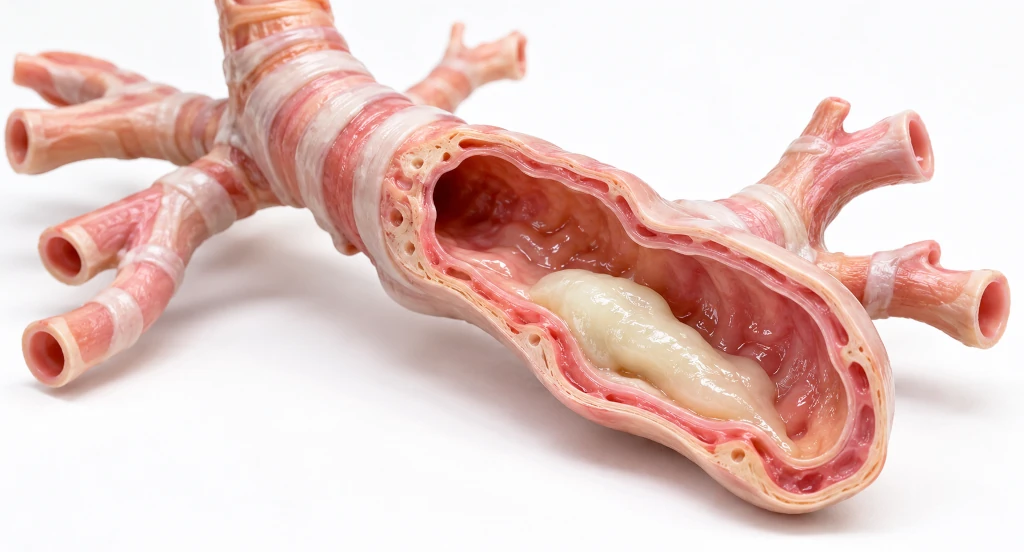
Mucus plugs in bronchiectasis are associated with worse respiratory symptoms and chronic Pseudomonas aeruginosa infection in a study of 133 adults.

AI in COPD diagnosis can support case finding, spirometry interpretation and equity while GOLD 2026 highlights validation and guideline gaps.
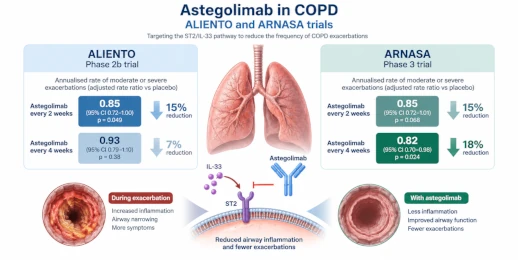
Astegolimab for COPD was evaluated in the ALIENTO and ARNASA trials to assess its efficacy and safety in patients with frequent exacerbations.
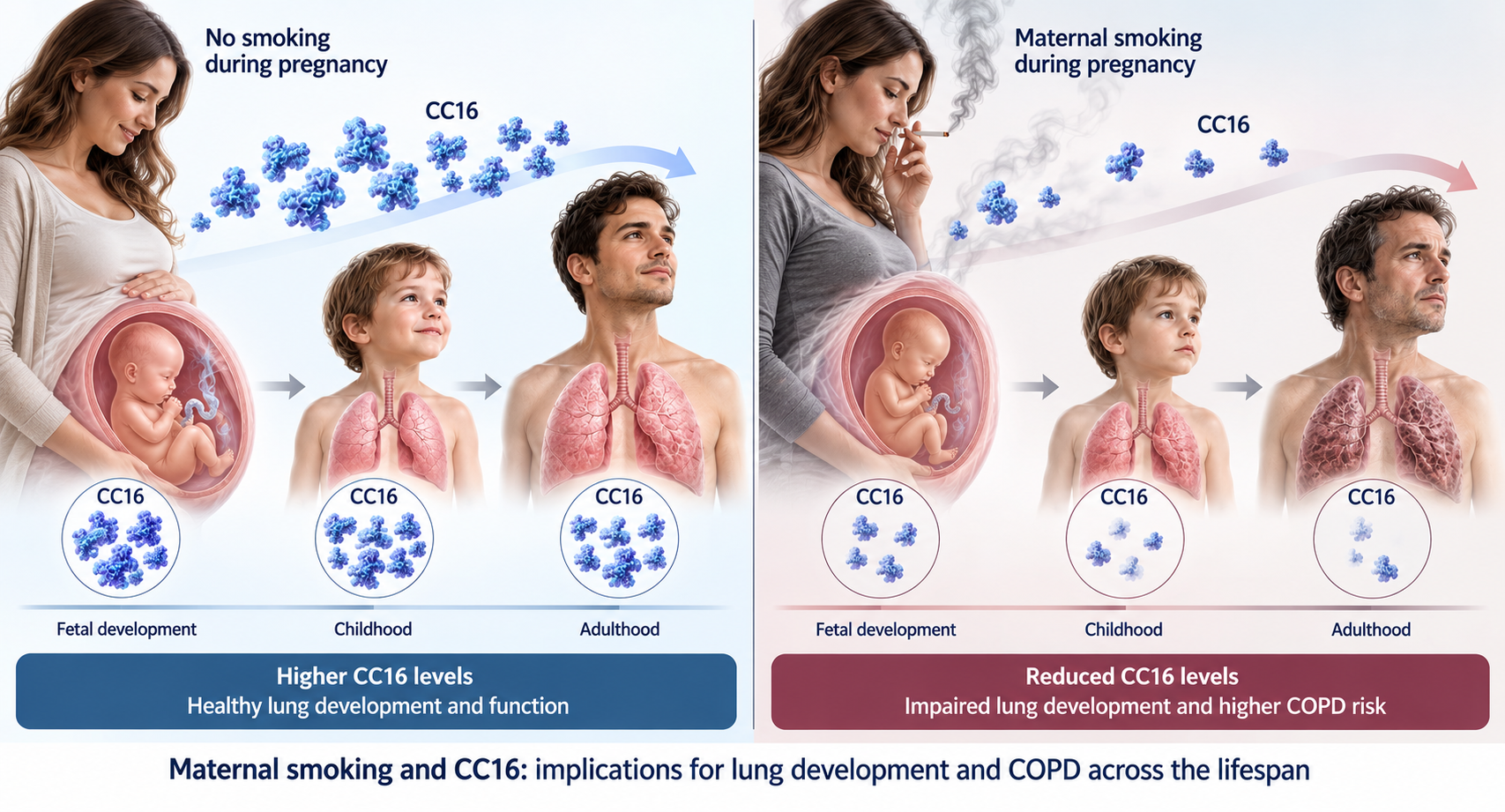
Maternal smoking and CC16 are linked to impaired lung development, lung function decline and emphysema progression, increasing lifelong COPD risk.
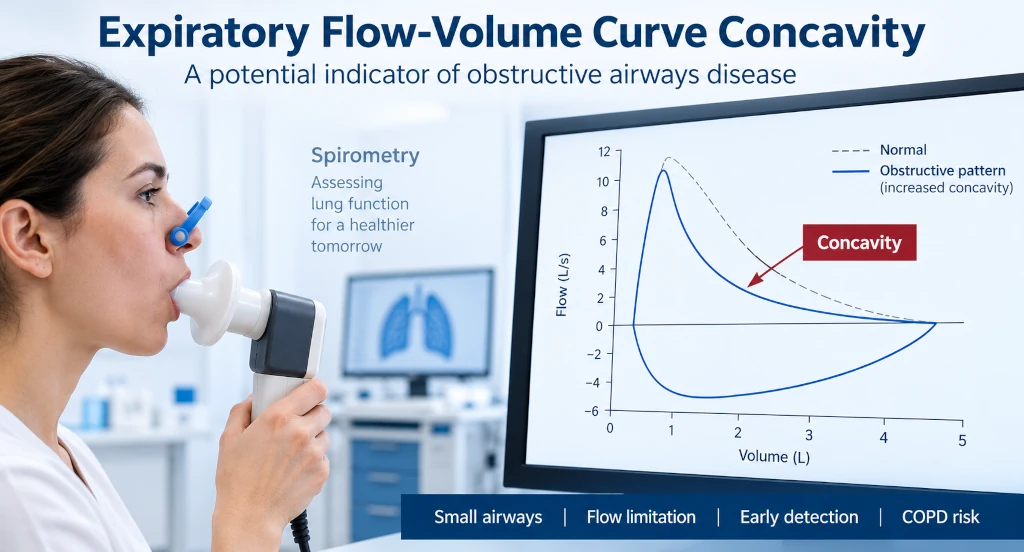
Expiratory flow-volume curve concavity predicts future respiratory symptoms but shows lower discriminatory accuracy for COPD incidence than FEV1/FVC.