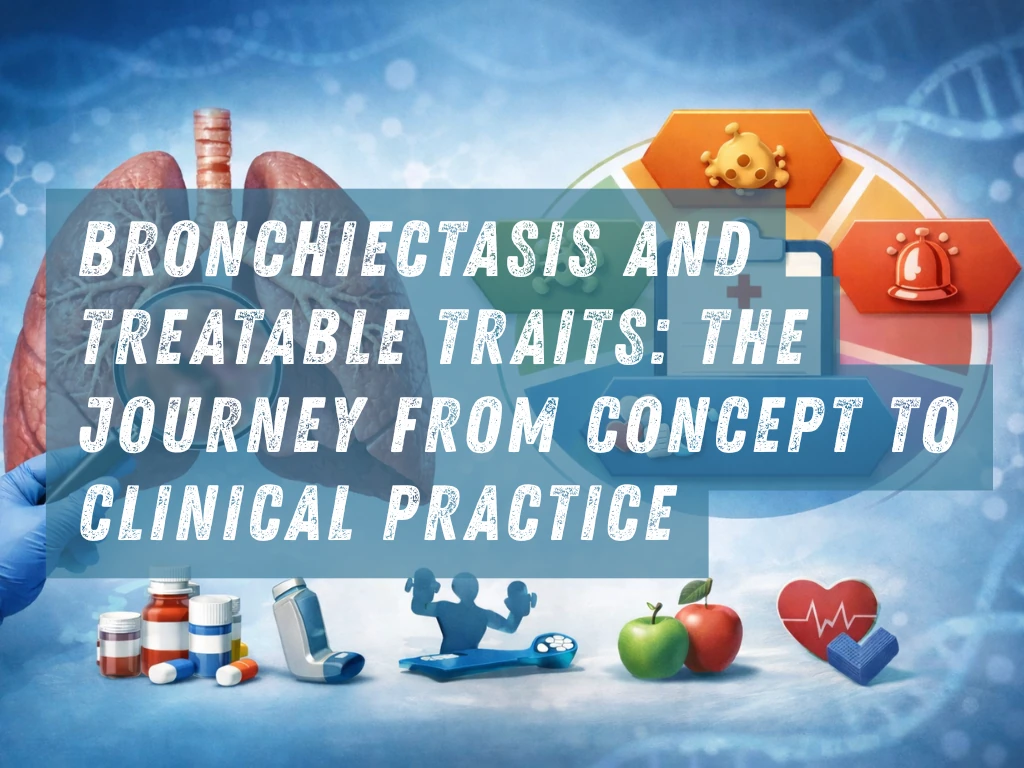
Bronchiectasis and treatable traits: the journey from concept to clinical practice
Review of the treatable traits approach in bronchiectasis, exploring phenotypes, endotypes, comorbidities, and its translation into clinical practice.

Review of the treatable traits approach in bronchiectasis, exploring phenotypes, endotypes, comorbidities, and its translation into clinical practice.
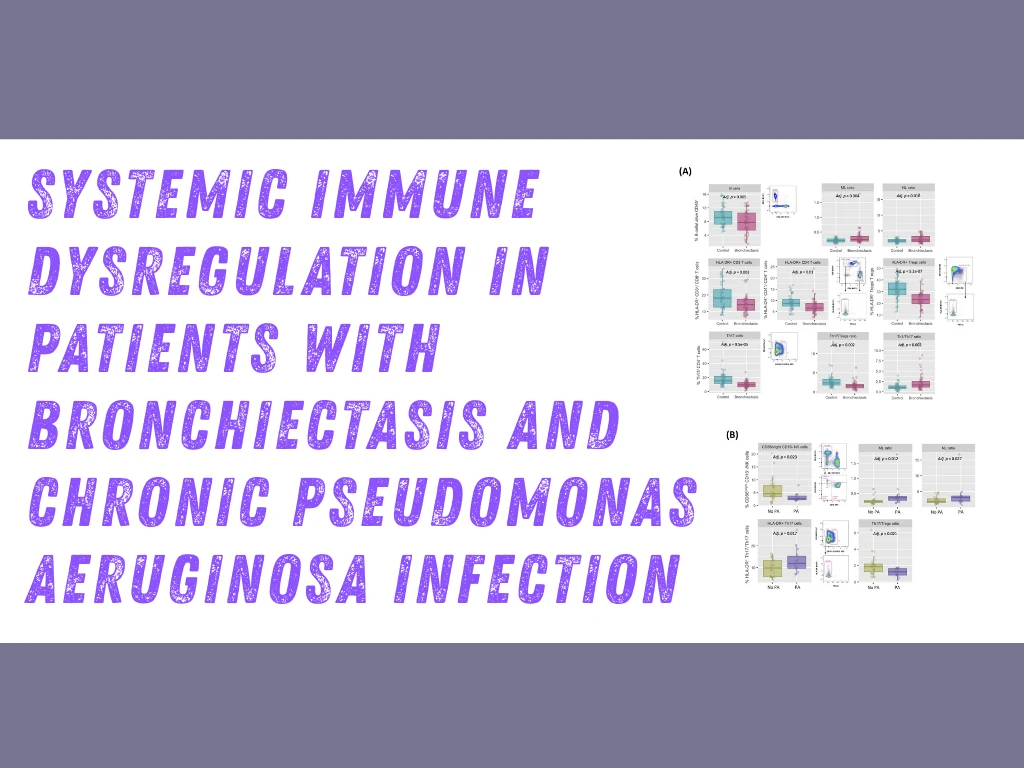
Study reveals systemic immune alterations in bronchiectasis patients with chronic Pseudomonas infection, highlighting persistent immune imbalance.

Observational study shows bronchiectasis symptoms independently predict exacerbations and identify patients who benefit from macrolide therapy, even with few prior episodes.
The GREAT-2 trial shows that gremubamab significantly reduces Pseudomonas aeruginosa load and enhances quality of life in bronchiectasis patients. Discover the results now.
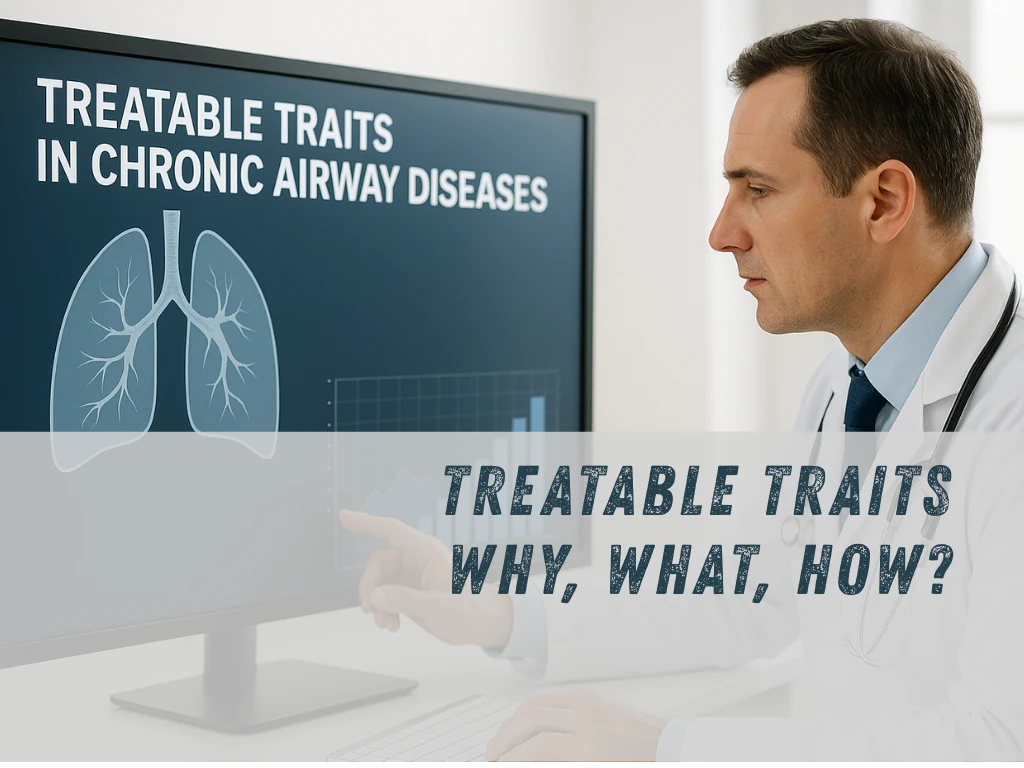
Discover how the Treatable Traits approach transforms the management of asthma, bronchiectasis, and COPD through personalized precision medicine strategies.
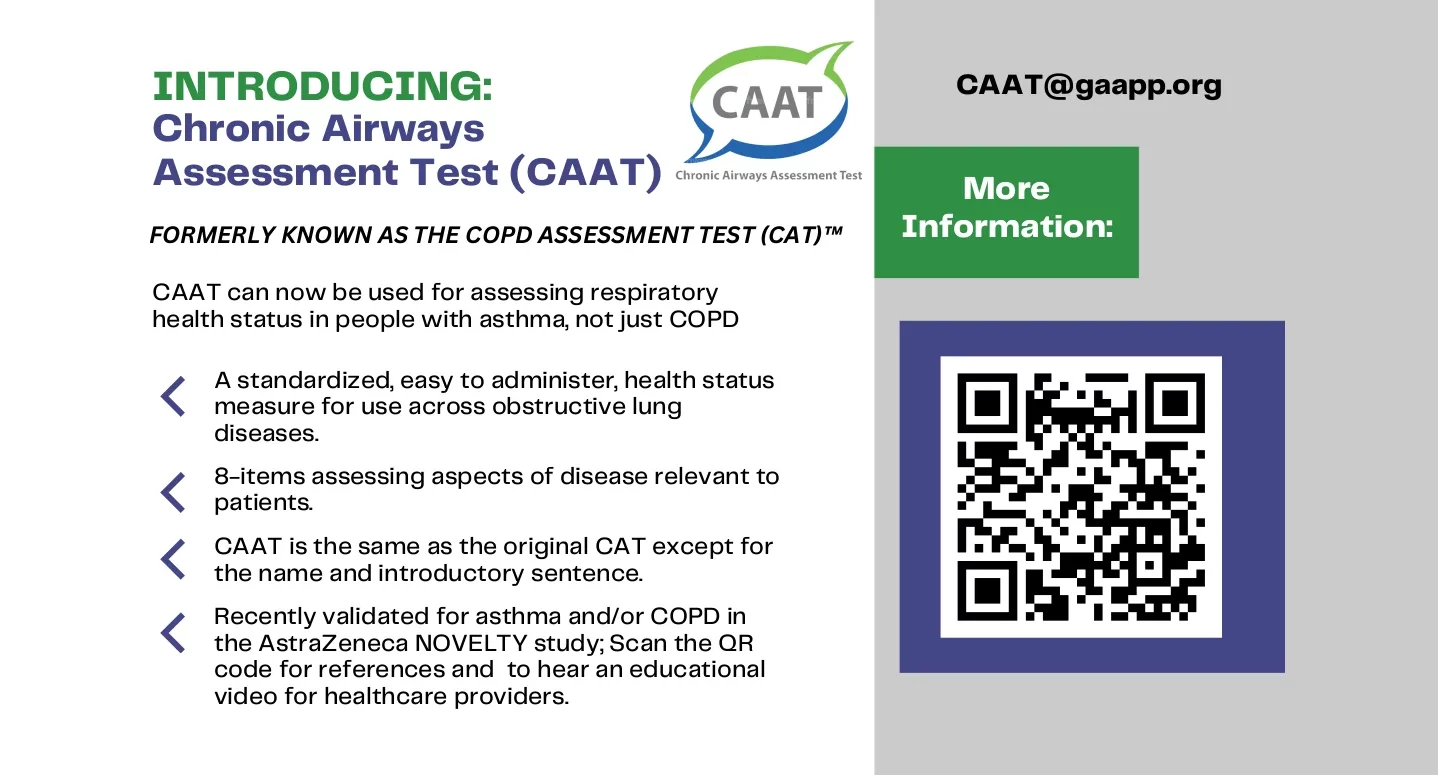
The CAAT is a standardized 8-item questionnaire to assess health status in people with asthma, COPD, and other airway diseases. Now validated beyond COPD.
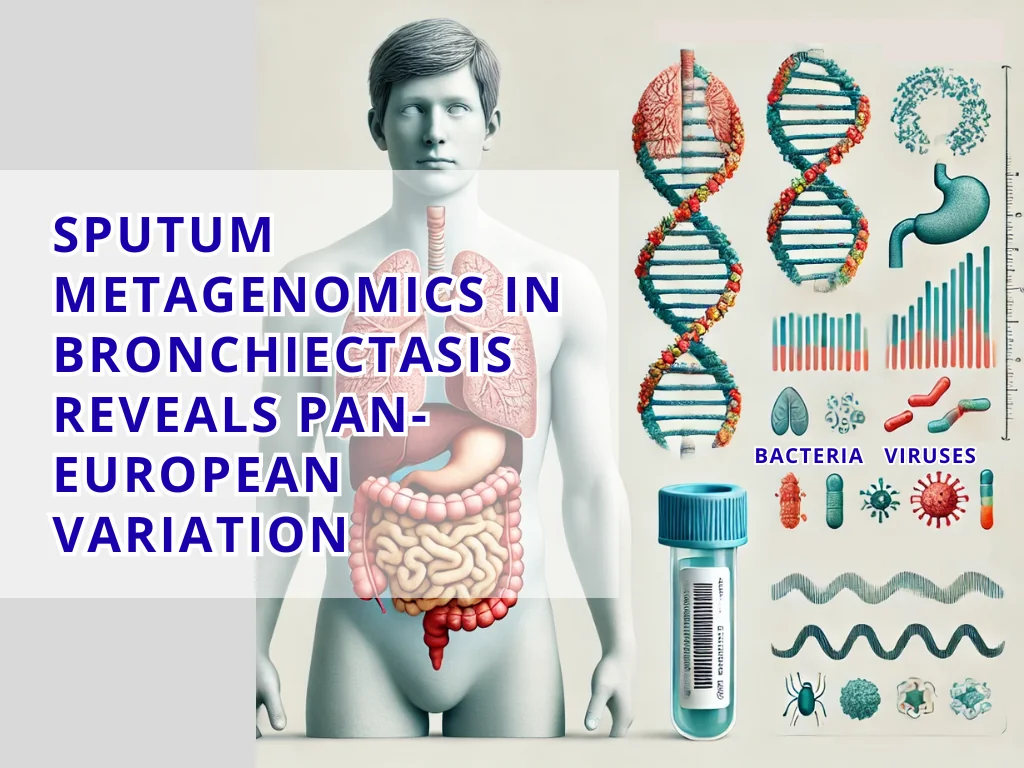
Sputum metagenomics reveals pan-European variation in microbial and resistome profiles in bronchiectasis: an EMBARC-BRIDGE study.
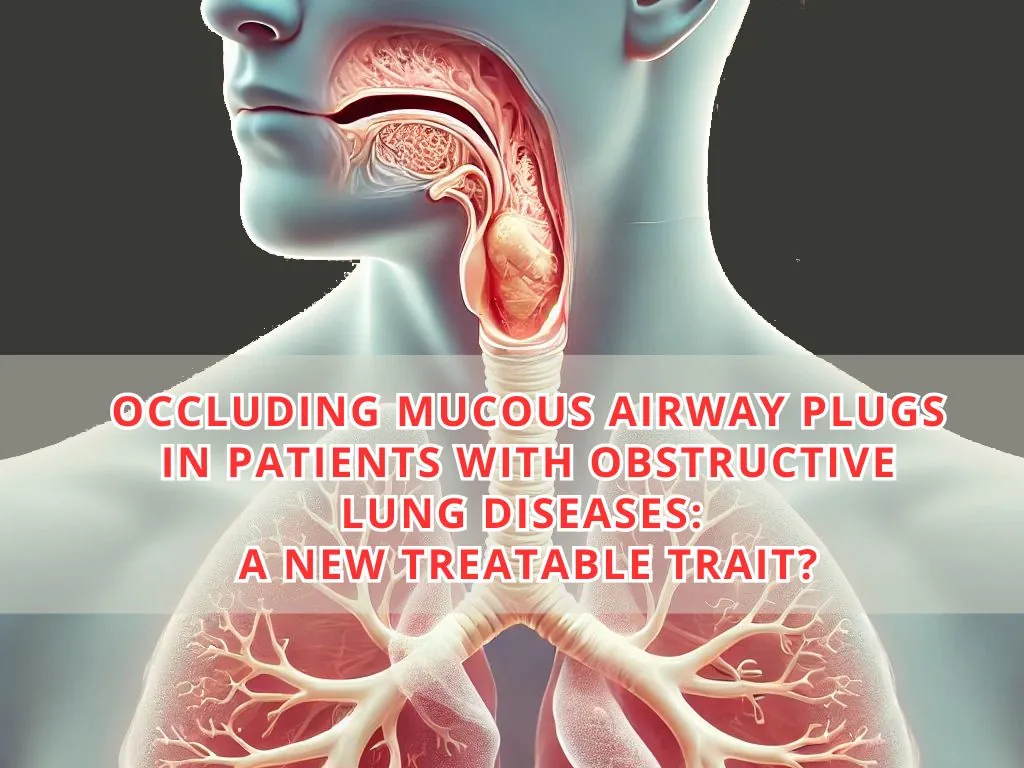
Airway mucous plugging is associated with exacerbations, lung function decline, and mortality in COPD, asthma, and bronchiectasis. Identifying it as a treatable trait may improve patient outcomes through airway clearance techniques and pharmacological strategies.
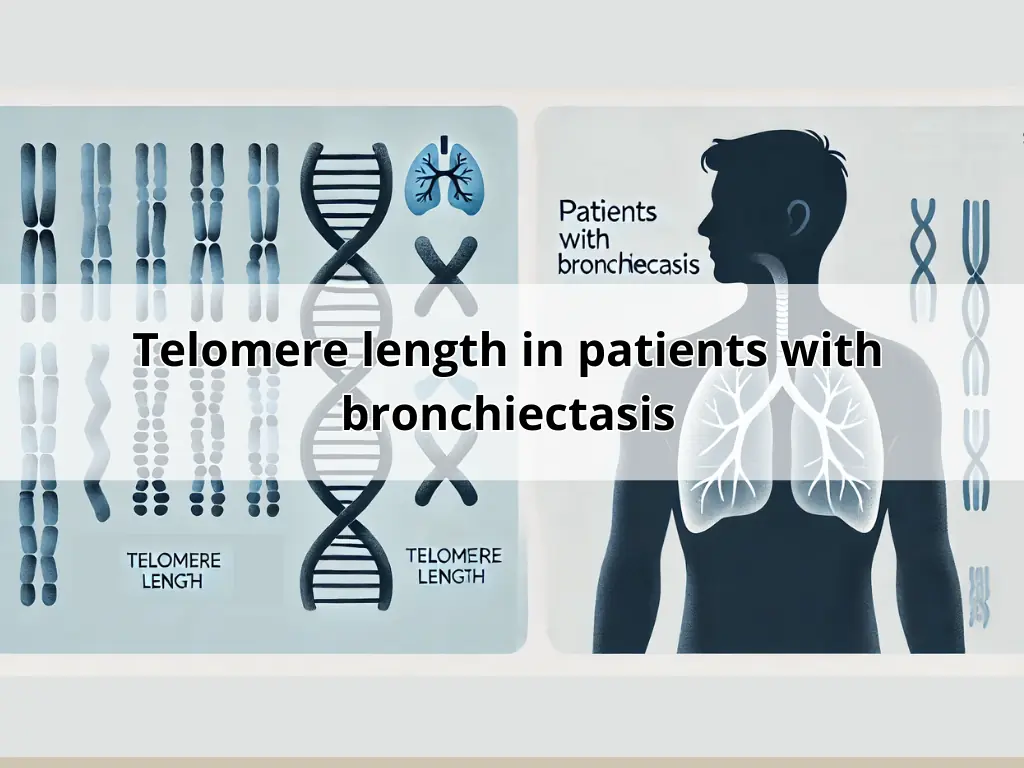
This study investigates telomere length (TL) in bronchiectasis patients, comparing them to COPD patients and healthy controls. Findings show no significant TL reduction in bronchiectasis compared to controls, but a trend towards shorter TL in idiopathic cases. Further research is needed to understand TL’s role in bronchiectasis.
Explore the complex pathophysiology of bronchiectasis, including airway infection, chronic inflammation, and mucociliary dysfunction. Learn how genomic approaches, proteomics, and epigenomics offer new insights into disease endotypes and patient stratification for improved therapies. Discover the role of trained innate immunity in complementing current models.