
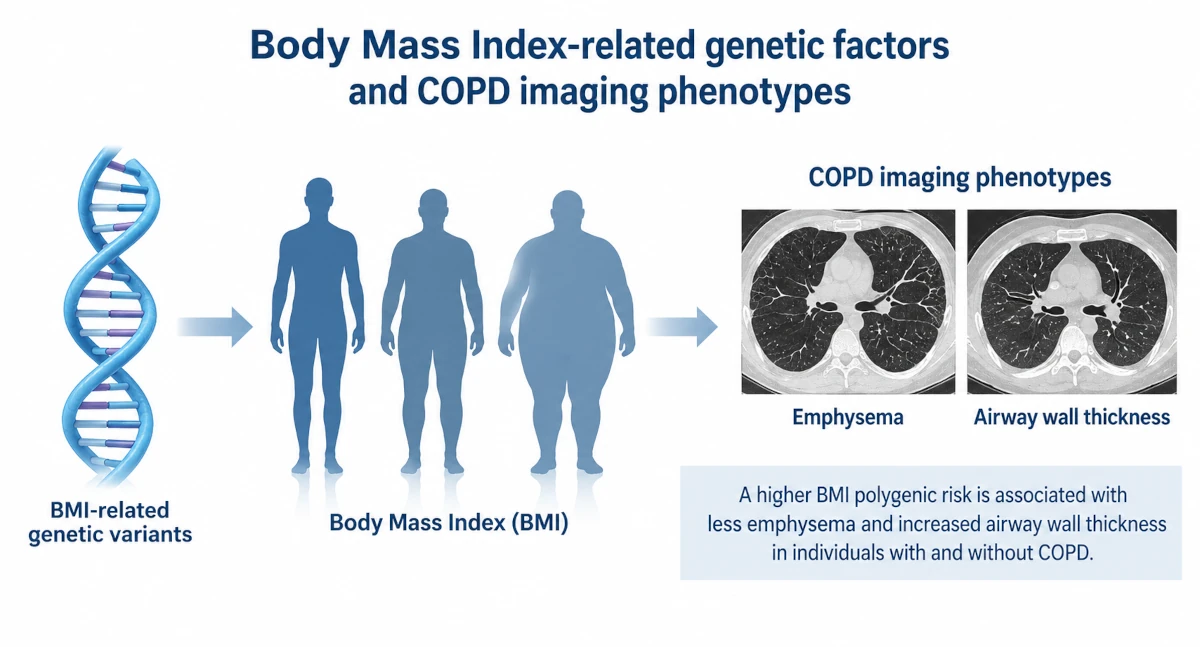
Body Mass Index-related genetic factors and COPD imaging phenotypes
BMI genetic factors and COPD imaging phenotypes
Rationale
While low body mass index (BMI) is associated with emphysema and obesity is associated with airway disease in chronic obstructive pulmonary disease (COPD), the underlying mechanisms are unclear.
Objectives
To examine the association between BMI-related genetic variants and emphysema and airway disease imaging phenotypes.
Methods and imaging phenotypes
We examined associations of the PGSBMI with automated quantification and visual interpretation of computed tomographic emphysema and airway wall thickness (AWT) in COPD-enriched and community-based cohorts.
BMI polygenic risk, emphysema and airway wall thickness
For imaging characteristics assessed by visual interpretation, a higher PGSBMI was associated with reduced emphysema in both COPD-enriched cohorts (odds ratio [OR] for a higher severity grade = 0.89, P = .0080) and in the community-based Framingham Heart Study (OR for the presence of emphysema = 0.82, P = .0034), and a higher risk of airway wall thickening in the COPDGene study (OR = 1.17, P = .0023).
Conclusions
In individuals with and without COPD, a higher BMI polygenic risk is associated with both quantitative and visual decreased emphysema and increased AWT, suggesting genetic determinants of BMI affect both emphysema and airway wall thickening.
Authors
Jingzhou Zhang, Matthew Moll, Catherine L Debban, Brian D Hobbs, Heena Rijhwani, George R Washko, Bartolome R Celli, Edwin K Silverman, Per Bakke, Elizabeth C Oelsner, R Graham Barr, Alvar Agustí, Rosa Faner, Guy G Bruselle, Stephen M Humphries, David A Lynch, Josée Dupuis, Ani W Manichaikul, George T O’Connor, Michael H Cho
Read more details at
Fecha de publicación
21 February 2026.
Categorías asociadas al artículo
Noticias relacionadas

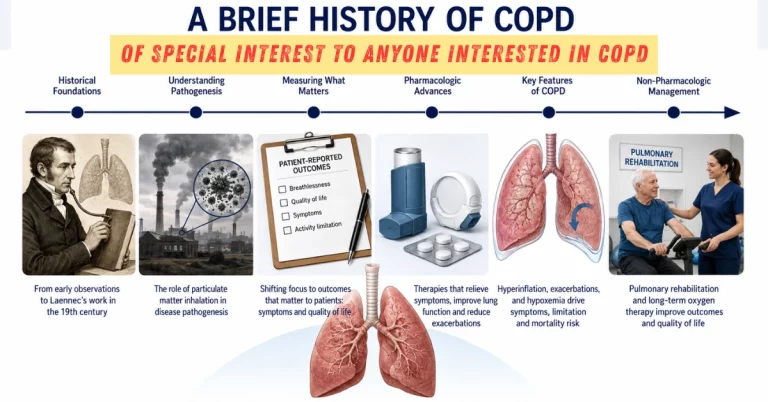
A Brief History of COPD: As Told by Some of Its Senior Scientists and Clinicians
Explore the history of COPD and the evolution of disease concepts, treatment strategies, patient outcomes, pulmonary rehabilitation and clinical management.
cfDNA profiling in COPD
Whole-genome cfDNA profiling identifies molecular clusters and pathways associated with oxidative damage and airflow limitation in COPD patients.
ECLIPSE: un estudio de tres años que cambió nuestra forma de entender la EPOC
A 20 años de ECLIPSE, repasamos el estudio que transformó la comprensión de la EPOC, revelando su heterogeneidad, progresión y biomarcadores clave.
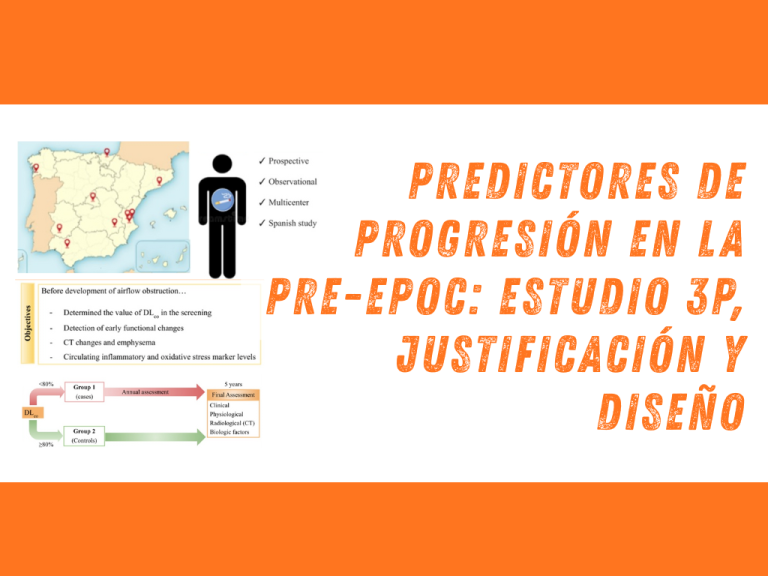
Predictores de progresión en la pre-EPOC: estudio 3P, justificación y diseño
Conoce el estudio 3P que analiza los factores que predicen la progresión de la pre-EPOC a EPOC en fumadores con espirometría normal.
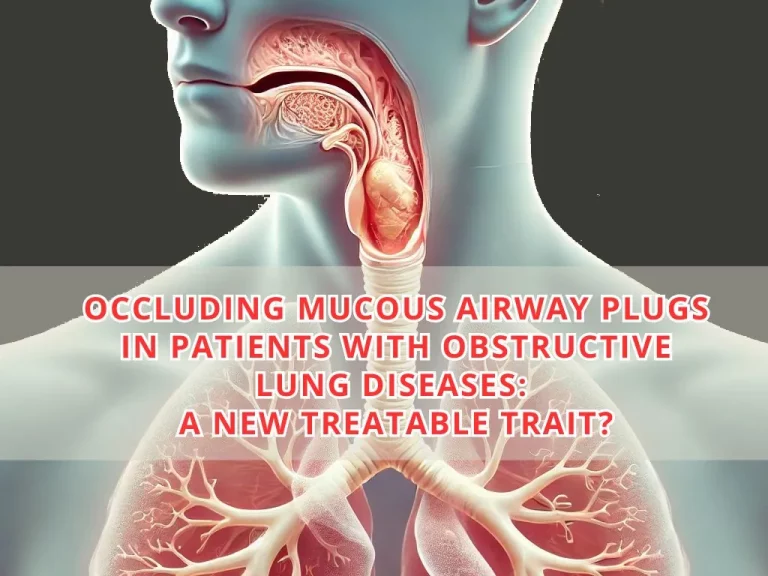
Occluding mucous airway plugs in patients with obstructive lung diseases: a new treatable trait?
Airway mucous plugging is associated with exacerbations, lung function decline, and mortality in COPD, asthma, and bronchiectasis. Identifying it as a treatable trait may improve patient outcomes through airway clearance techniques and pharmacological strategies.
RESPrimaria 1ª Edición: 8 de Mayo de 2024 en formato híbrido
Más de 900 sanitarios se reunirán de forma presencial y online, este miércoles en Barcelona, para mejorar la prevención y el tratamiento de las
patologías respiratorias.
Imagen desarrollada con ChatGPT