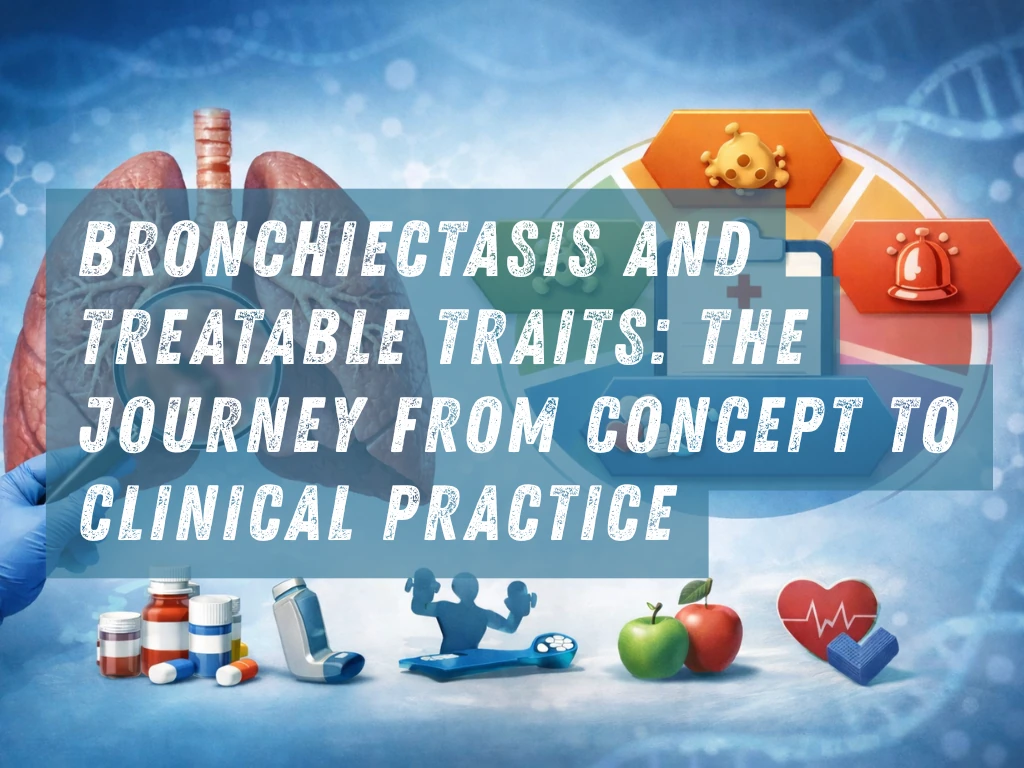

Bronchiectasis and treatable traits: the journey from concept to clinical practice
Review of the treatable traits approach in bronchiectasis, exploring phenotypes, endotypes, comorbidities, and its translation into clinical practice.

Review of the treatable traits approach in bronchiectasis, exploring phenotypes, endotypes, comorbidities, and its translation into clinical practice.

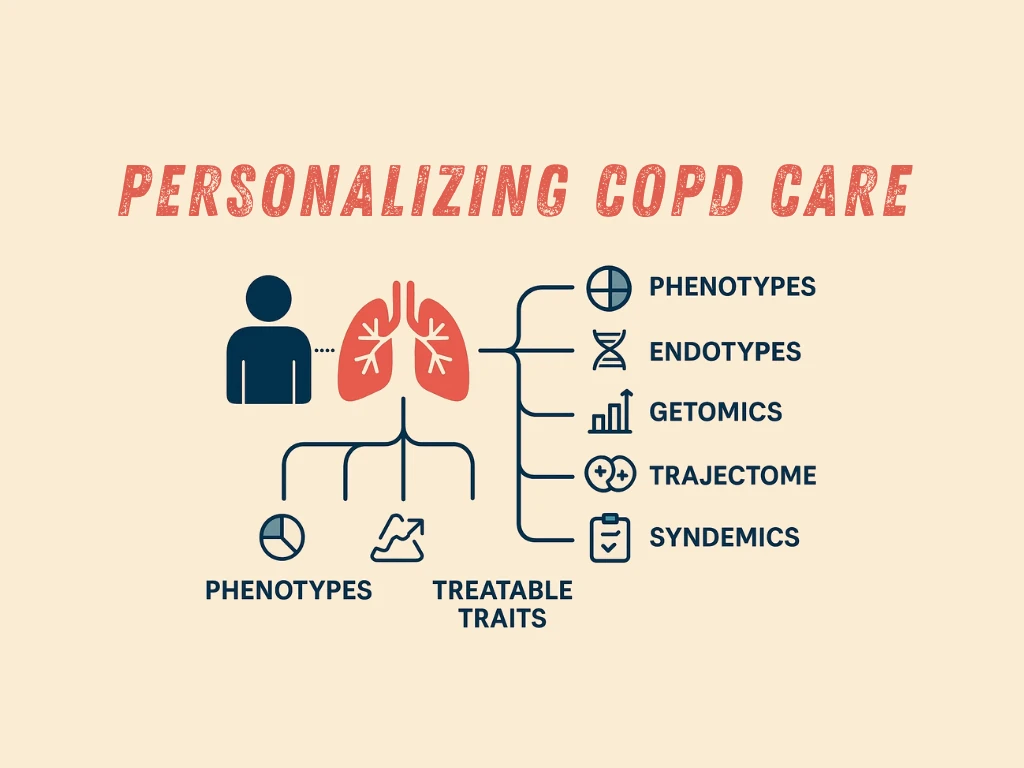
Discover how personalized COPD care integrates phenotypes, endotypes, GETomics, trajectome, syndemics, and treatable traits to improve patient outcomes.

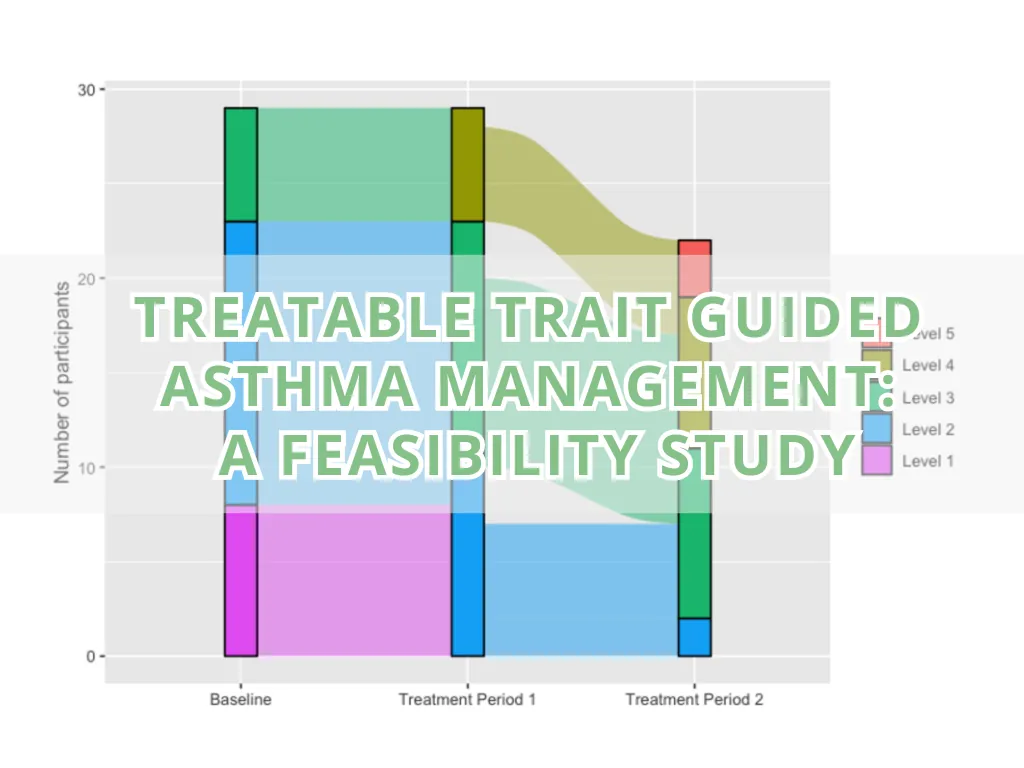
Protocolised treatable trait-based asthma management was acceptable to patients not under the care of a severe asthma clinic, associated with significant clinical benefit, and a full trial appears feasible.

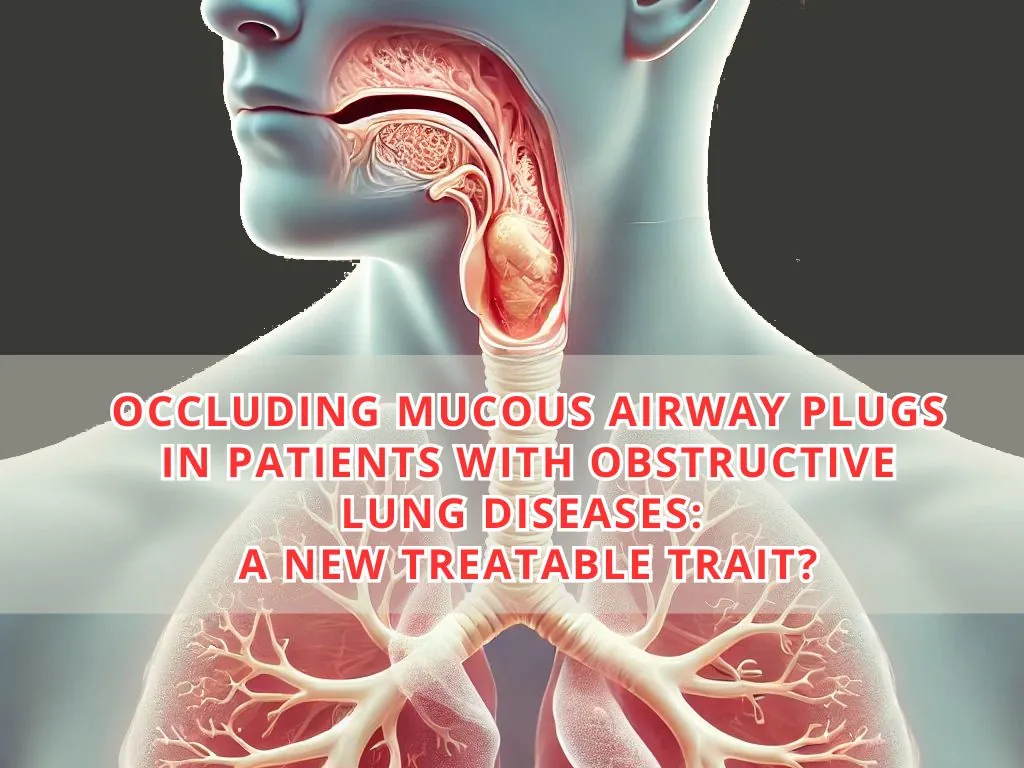
Airway mucous plugging is associated with exacerbations, lung function decline, and mortality in COPD, asthma, and bronchiectasis. Identifying it as a treatable trait may improve patient outcomes through airway clearance techniques and pharmacological strategies.

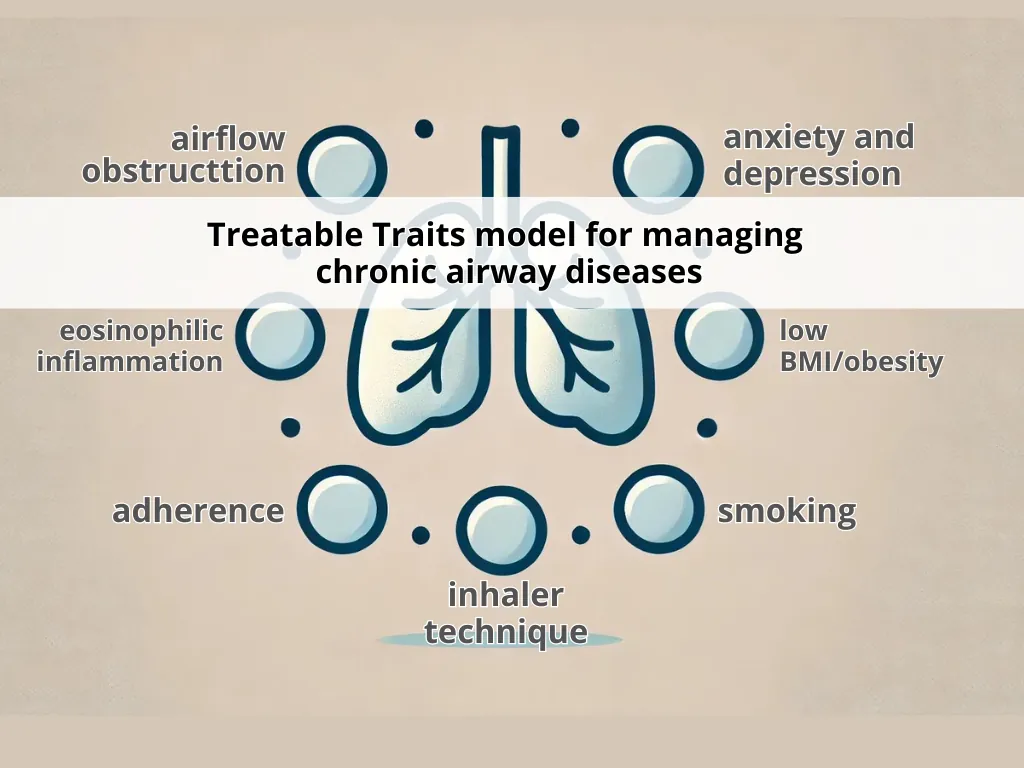
Explore Treatable Traits model for chronic airway diseases like asthma and COPD in primary care. Learn about seven key traits — airflow obstruction, eosinophilic inflammation, adherence, inhaler technique, smoking, low BMI/obesity and anxiety and depression — that guide personalized care.

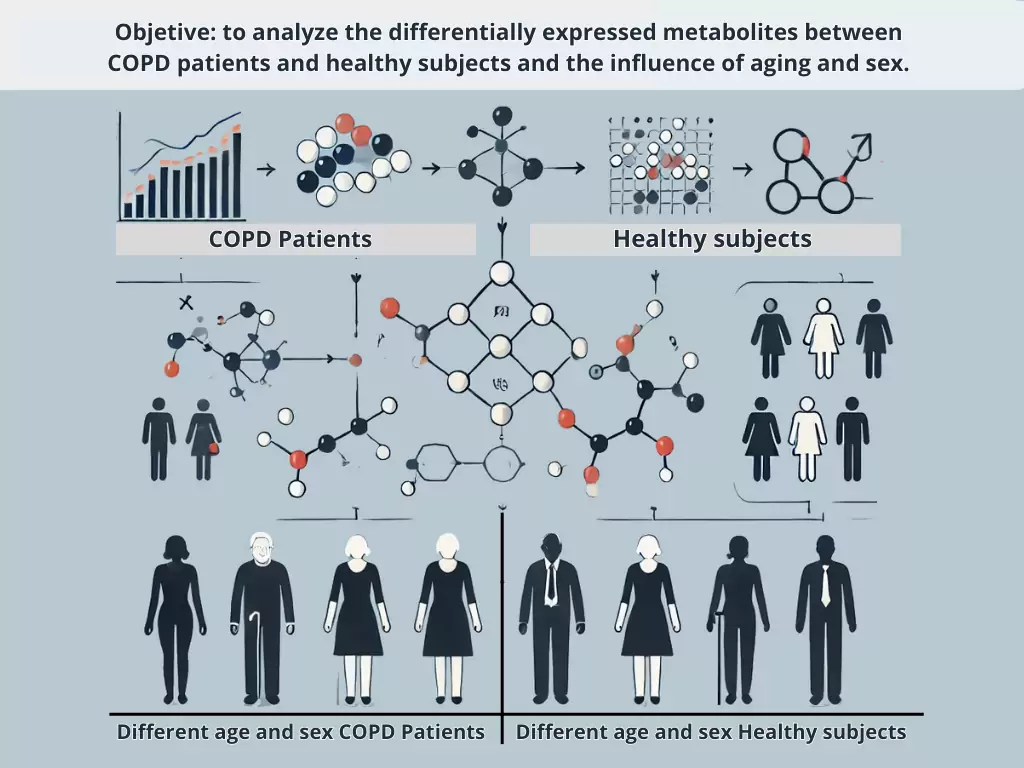
Explore the metabolic changes in COPD patients, highlighting the influence of aging and sex, with pronounced effects in males. Discover how COPD affects protein metabolism and energy production, emphasizing early aging’s impact.

Explore how the treatable traits approach can be applied to pre-COPD, potentially preventing full disease development. Learn about GETomics and its role in understanding pre-COPD through gene-environment interactions.

The treatable traits approach represents a strategy for patient management. It is based on the identification of characteristics susceptible to treatments or predictive of treatment response in each individual patient.

We explore this concept and look at atopic dermatitis, chronic rhinosinusitis with nasal polyps, etc., as treatable traits of asthma and how these can be managed.

TT guided asthma management for 10 weeks reduced T2 inflammation.