Joint statement from GOLD/GLI regarding the use of spirometry to define airflow obstruction and diagnose COPD
The Role of Spirometry in Confirming COPD Diagnosis
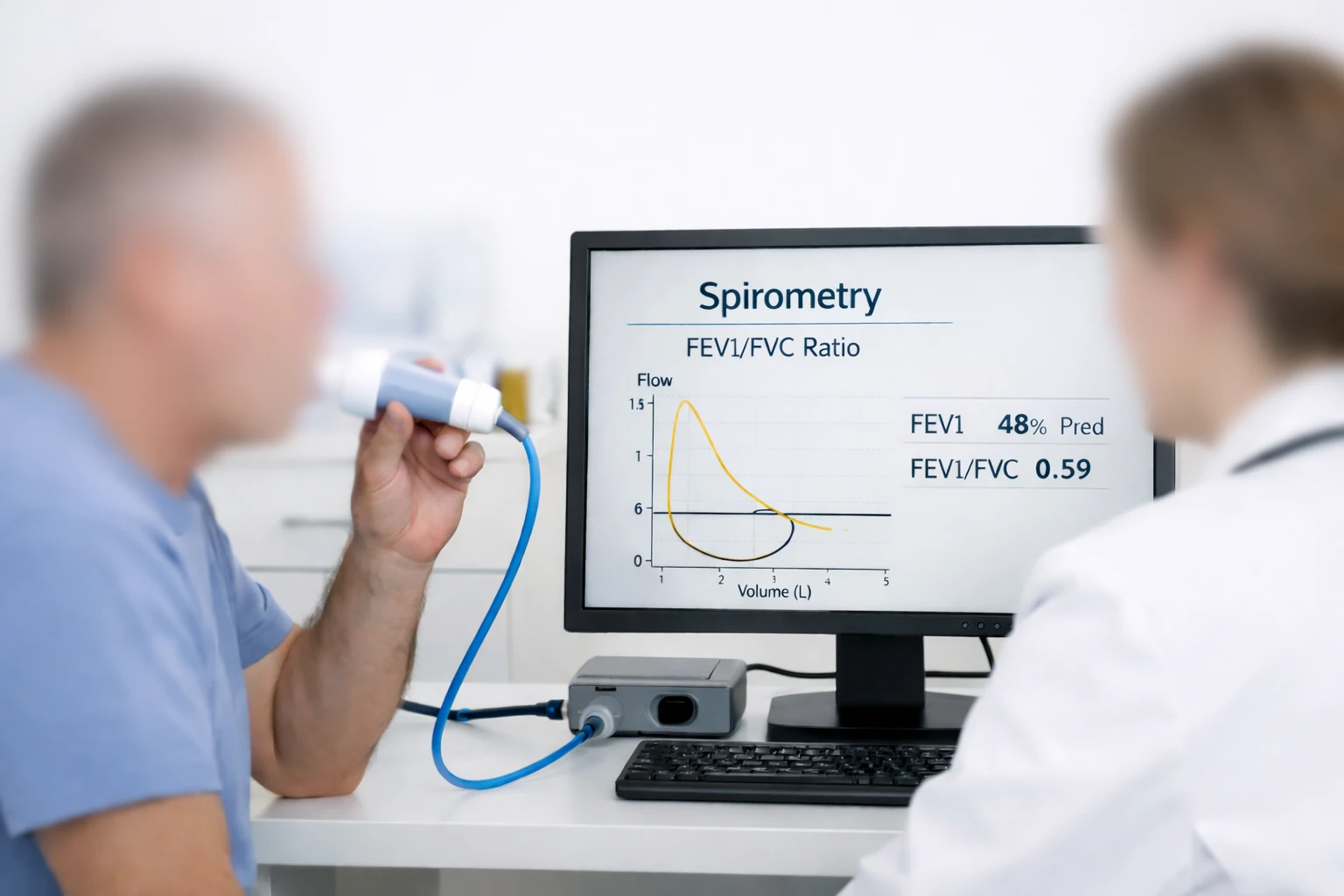
Chronic Obstructive Pulmonary Disease (COPD) is one of the leading causes of morbidity and mortality worldwide (1). Spirometry provides an objective measure of airflow obstruction that, in the appropriate clinical context, confirms the diagnosis of COPD. However, globally, access to spirometry is limited, the test is underutilized and many people are misdiagnosed, or under-diagnosed.
The intrathoracic airway obstruction that characterises COPD can be detected by finding expiratory flow limitation on spirometry. A reduced FEV1/FVC ratio demonstrates flow limitation but for over 30 years there has been an unproductive debate about which threshold should be used to define airflow limitation and identify airway obstruction in patients with suspected COPD.
In this perspective article we focus on the use of spirometry use in routine clinical practice to confirm or exclude a diagnosis of COPD, and aim to propose a way forward to end the debate.
GOLD and GLI Agreement on Diagnostic Criteria
GOLD and GLI agree on many issues. A common goal for both organizations is to reduce barriers to the use of spirometry and make it more available and utilised worldwide.
Early recognition of the signs and symptoms of COPD, together with a simple, accurate and consistently used diagnostic test, is essential if we are to reduce the burden of this condition.
Harmonizing reccomendations, including those of national and regional socieities, such as ATS and ERS is important to remove confusion.
GOLD and GLI agree that the LLN can be used to identify airflow obstruction more broadly in populations, including younger patients with dyspnea on exertion, but in the appropriate clinical context (e.g.,. a symptomatic patient with a medical and exposure history suggestive of COPD), recommend that the fixed ratio is used to to identify COPD-related airflow obstruction and confirm a diagnosis of COPD.
Authors
David M. G. Halpin, Sanja Stanojevic, Meredith C. McCormack, Dave Singh, David Kamkinsky, Claus F. Vogelmeier, Laura Gochicoa-Rangel, Alvar Agusti, Brendan Cooper
Read more details at
Fecha de publicación
Published online 26 February 2026
Categorías asociadas al artículo
Noticias relacionadas

Video del evento: Transformando la EPOC, claves para un manejo proactivo
Conferencia sobre el manejo proactivo de la EPOC centrada en el infradiagnóstico, el control clínico y el seguimiento estructurado del paciente.
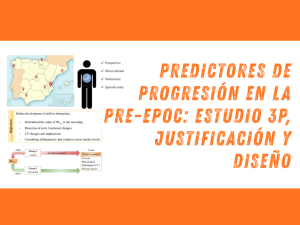
Predictores de progresión en la pre-EPOC: estudio 3P, justificación y diseño
Conoce el estudio 3P que analiza los factores que predicen la progresión de la pre-EPOC a EPOC en fumadores con espirometría normal.
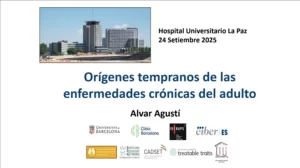
Origenes tempranos de las enfermedades crónicas del adulto
Charla de Alvar Agistí en el H. La Paz sobre los orígenes de las enfermedades crónicas. tempranos en la sesión titulada: Orígenes tempranos de las enfermedades crónicas del adulto. El 24/09/2025
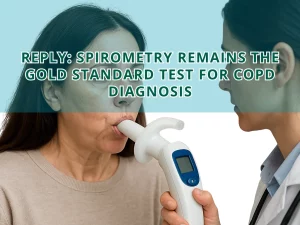
Reply: Spirometry remains the GOLD standard test for COPD diagnosis
Commentary in the European Respiratory Journal (June 2025) reaffirming spirometry as the essential diagnostic tool for COPD.
Metabolomic Plasma Profile of Chronic Obstructive Pulmonary Disease Patients
This study identifies a metabolic signature of COPD patients, involving fatty acids, amino acid and carbohydrate metabolites, using LC-MS plasma profiling.

General population-based lung function trajectories over the life course: an accelerated cohort study
Empirical life course lung function trajectories from ages 4–80 using data from eight cohort studies in Europe and Australia.
Imagen desarrollada ChatGPT