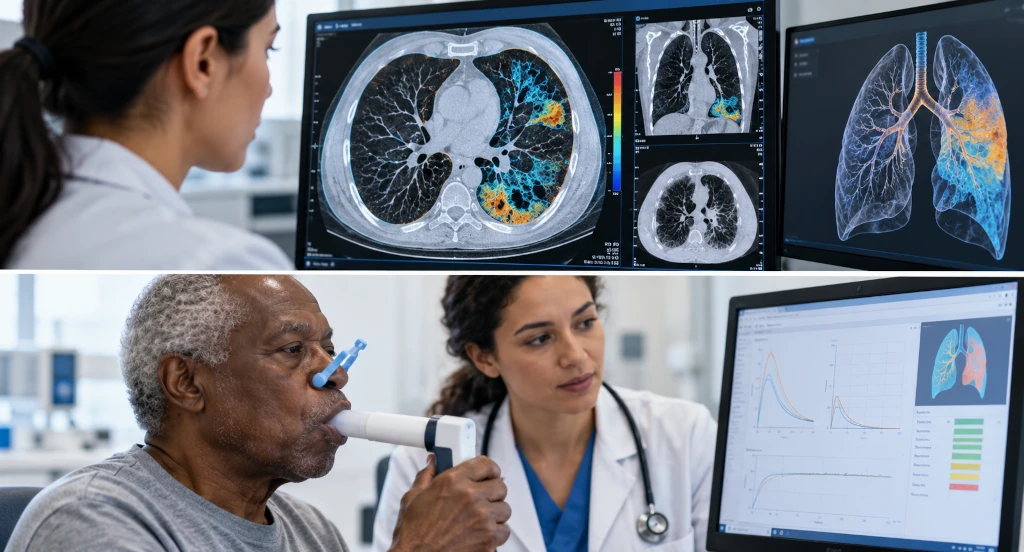
Using AI for COPD Diagnosis, Equity, Guideline Gaps: Alvar Agusti, MD, PhD
AI in COPD diagnosis can support case finding, spirometry interpretation and equity while GOLD 2026 highlights validation and guideline gaps.

AI in COPD diagnosis can support case finding, spirometry interpretation and equity while GOLD 2026 highlights validation and guideline gaps.
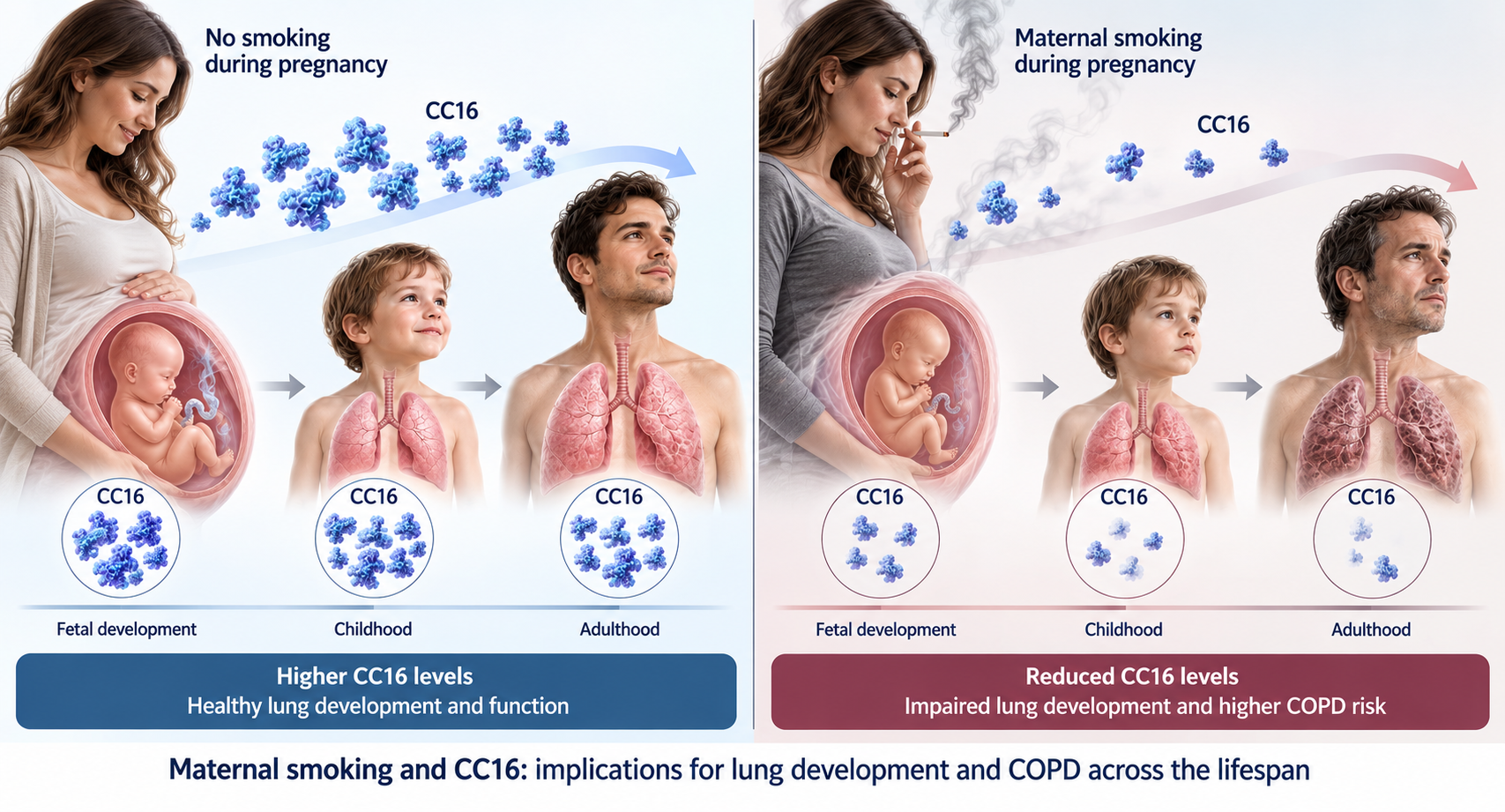
Maternal smoking and CC16 are linked to impaired lung development, lung function decline and emphysema progression, increasing lifelong COPD risk.
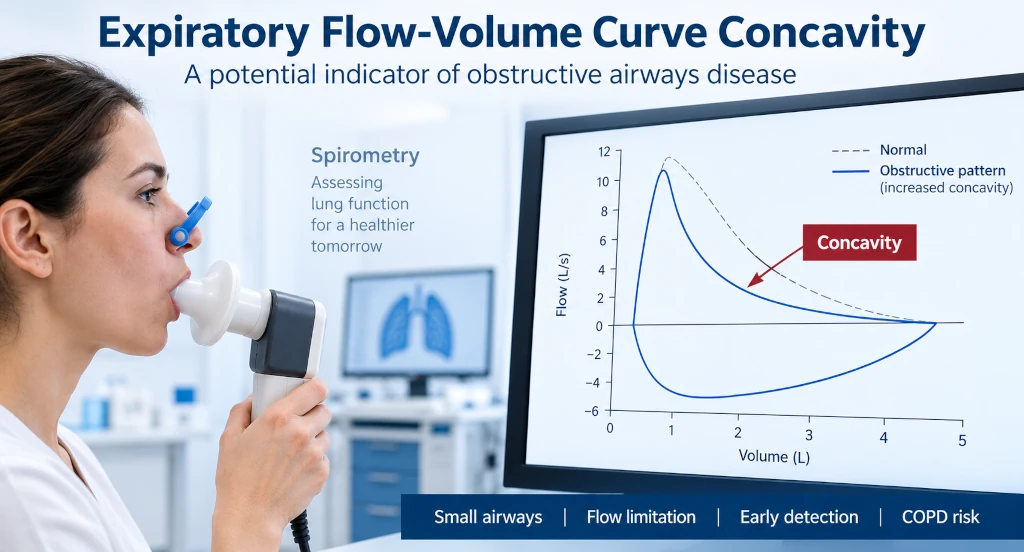
Expiratory flow-volume curve concavity predicts future respiratory symptoms but shows lower discriminatory accuracy for COPD incidence than FEV1/FVC.

Gut-lung axis microbiome analysis in stable COPD reveals distinct gut and lung microbiomes associated with airflow limitation, exacerbations and ICS use
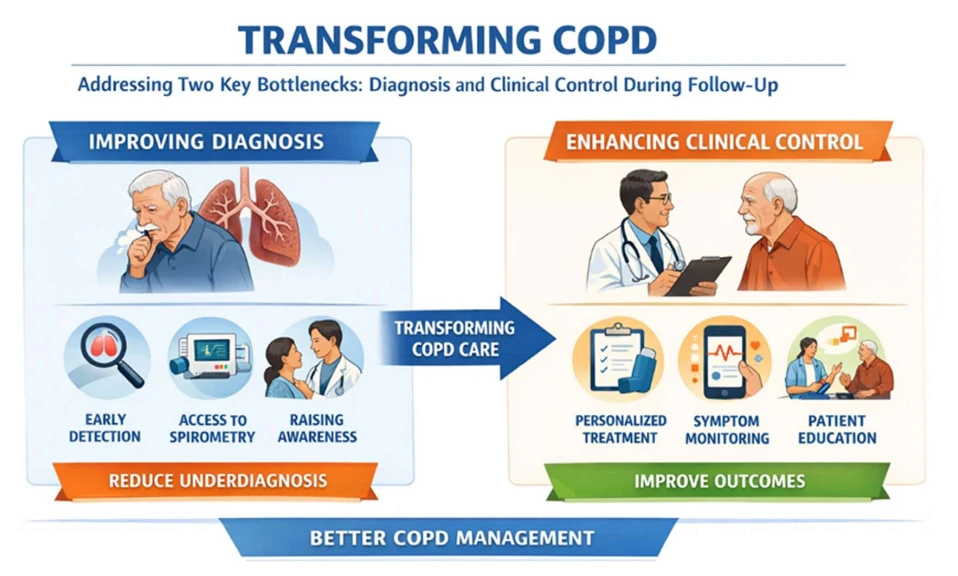
Learn why earlier COPD diagnosis and better clinical control during follow-up are essential to reduce exacerbations, improve quality of life and optimise patient outcomes.
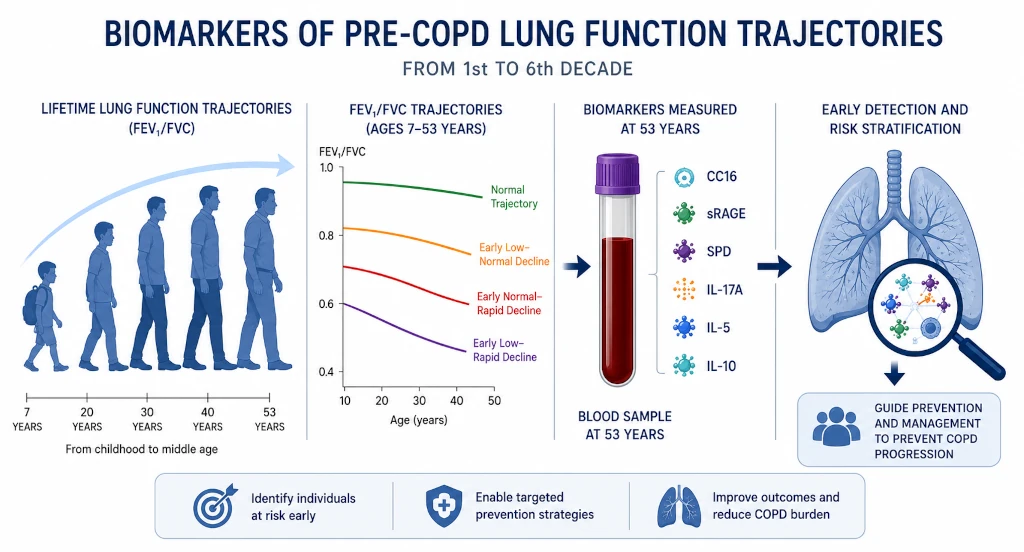
Blood biomarkers including CC16, sRAGE and SPD identify pre-COPD lung function trajectories and may improve early COPD risk detection and prevention.

The EXACERBANTES Study explores treatable traits in COPD exacerbations, aiming to improve risk assessment and support personalized clinical management.
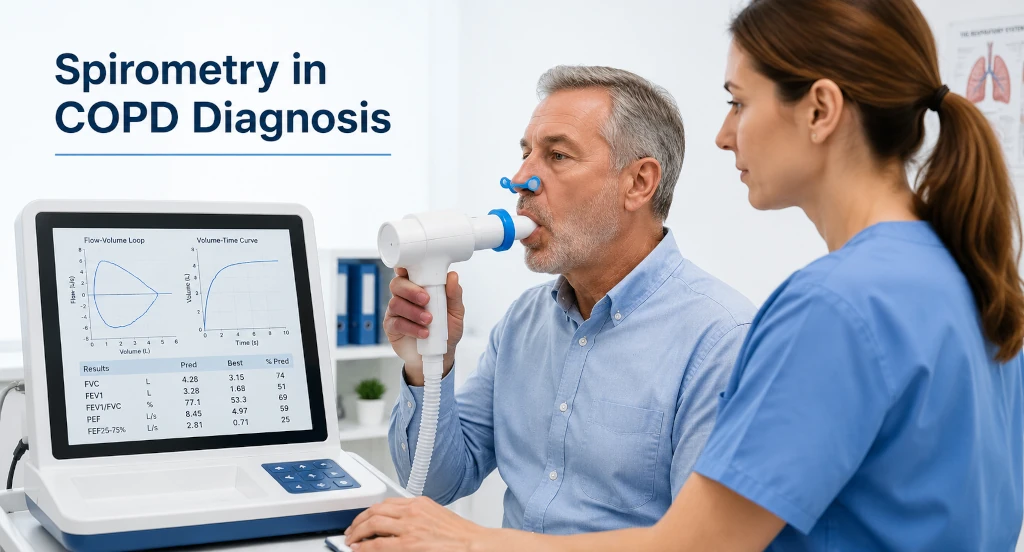
GOLD and GLI provide a joint position on spirometry for diagnosing COPD, supporting the fixed FEV1/FVC ratio in the appropriate clinical context.
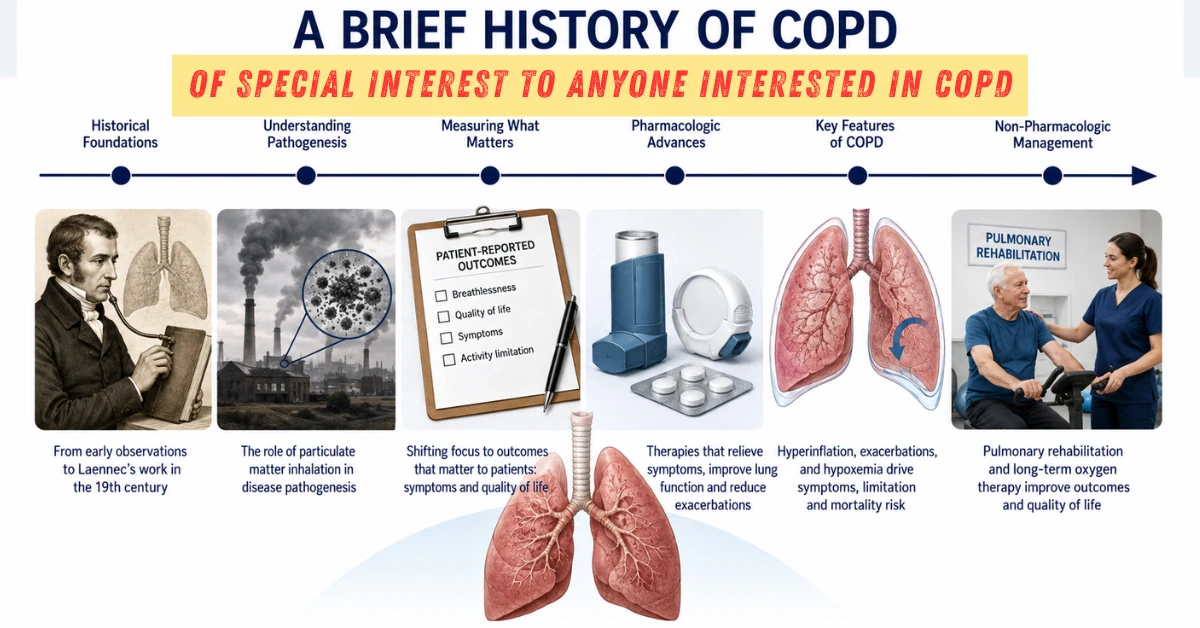
Explore the history of COPD and the evolution of disease concepts, treatment strategies, patient outcomes, pulmonary rehabilitation and clinical management.
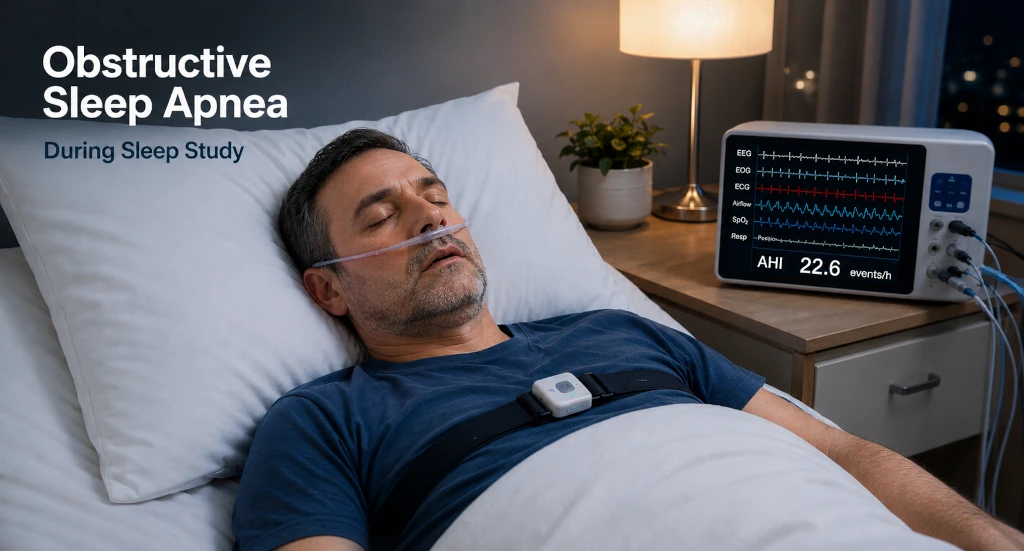
Sleep apnea is highly prevalent in Long-COVID patients. Sleep studies may help identify treatable causes of persistent symptoms and insomnia.