
Video del evento: Transformando la EPOC, claves para un manejo proactivo
Conferencia sobre el manejo proactivo de la EPOC centrada en el infradiagnóstico, el control clínico y el seguimiento estructurado del paciente.
ECLIPSE: un estudio de tres años que cambió nuestra forma de entender la EPOC
A 20 años de ECLIPSE, repasamos el estudio que transformó la comprensión de la EPOC, revelando su heterogeneidad, progresión y biomarcadores clave.

Patients with COPD prioritise chronic symptoms and functional impact as key outcomes in exacerbation trials
Patients with COPD prioritise chronic symptoms and functional impact as key outcomes in COPD exacerbation treatment trials.
Vídeo de la Presentación de las Novedades GOLD 2026
Video de la presentación «Novedades GOLD 2026», en el que se trataron, entre otros aspectos: cambios en diagnóstico de la EPOC, tratamiento, comparativa con GESEPOC, etc.
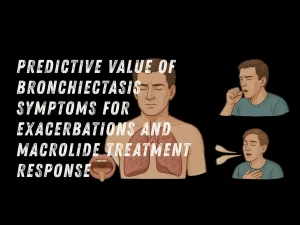
Symptoms, risk of future exacerbations, and response to long-term macrolide treatment in bronchiectasis: an observational study
Observational study shows bronchiectasis symptoms independently predict exacerbations and identify patients who benefit from macrolide therapy, even with few prior episodes.
A Bispecific Monoclonal Antibody Targeting Psl and PcrV for Chronic Pseudomonas Aeruginosa Infection in Patients With Bronchiectasis: Results From a Randomized, Double-Blind Placebo-Controlled Trial (GREAT-2)
The GREAT-2 trial shows that gremubamab significantly reduces Pseudomonas aeruginosa load and enhances quality of life in bronchiectasis patients. Discover the results now.