
Moving to better COPD care—changes to and challenges for GOLD.
COPD care and GOLD 2026: disease activity, exacerbation risk, treatment escalation and multimorbidity in a more proactive approach.

COPD care and GOLD 2026: disease activity, exacerbation risk, treatment escalation and multimorbidity in a more proactive approach.
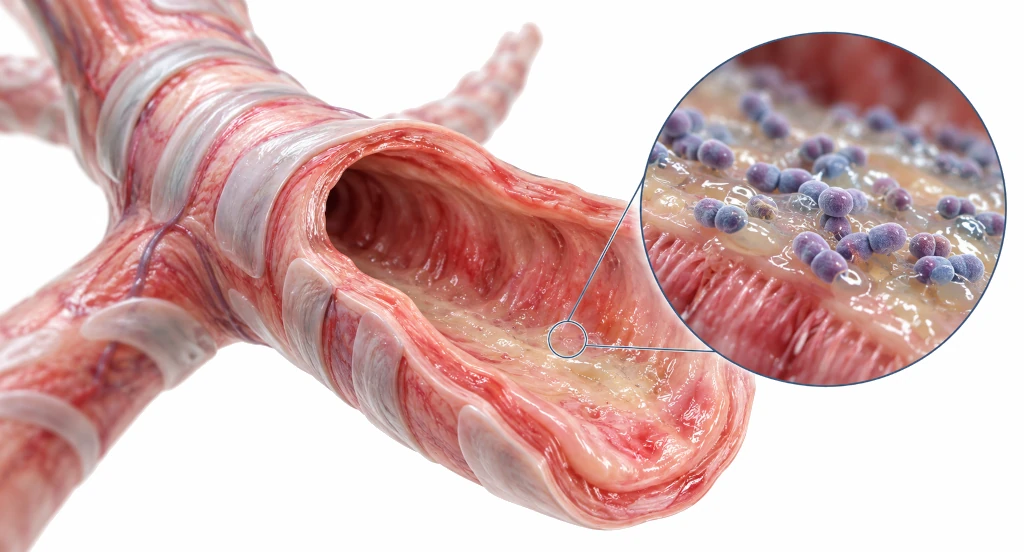
Haemophilus in COPD: a study of bronchial microbiome composition, exacerbation patterns, hospital admissions and relationships with blood interleukin-8 levels.

Explore a proposed consensus definition of severe COPD and a structured work-up addressing symptoms, functional impairment, quality of life and clinical characteristics.
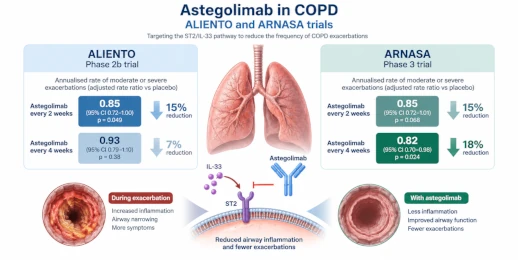
Astegolimab for COPD was evaluated in the ALIENTO and ARNASA trials to assess its efficacy and safety in patients with frequent exacerbations.

Gut-lung axis microbiome analysis in stable COPD reveals distinct gut and lung microbiomes associated with airflow limitation, exacerbations and ICS use
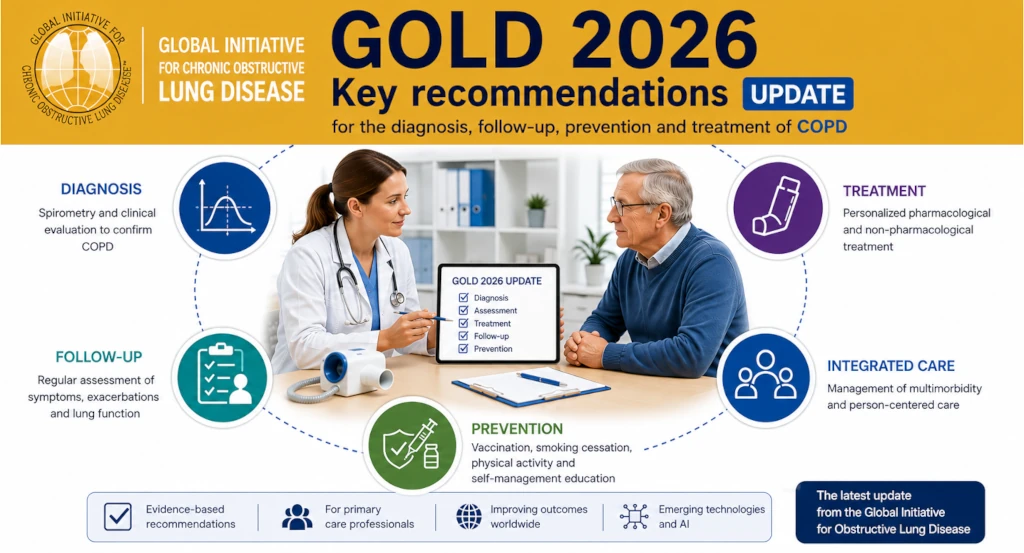
2026 GOLD update: key recommendations for primary care on COPD diagnosis, assessment, prevention, treatment, exacerbations and emerging technologies.

The EXACERBANTES Study explores treatable traits in COPD exacerbations, aiming to improve risk assessment and support personalized clinical management.
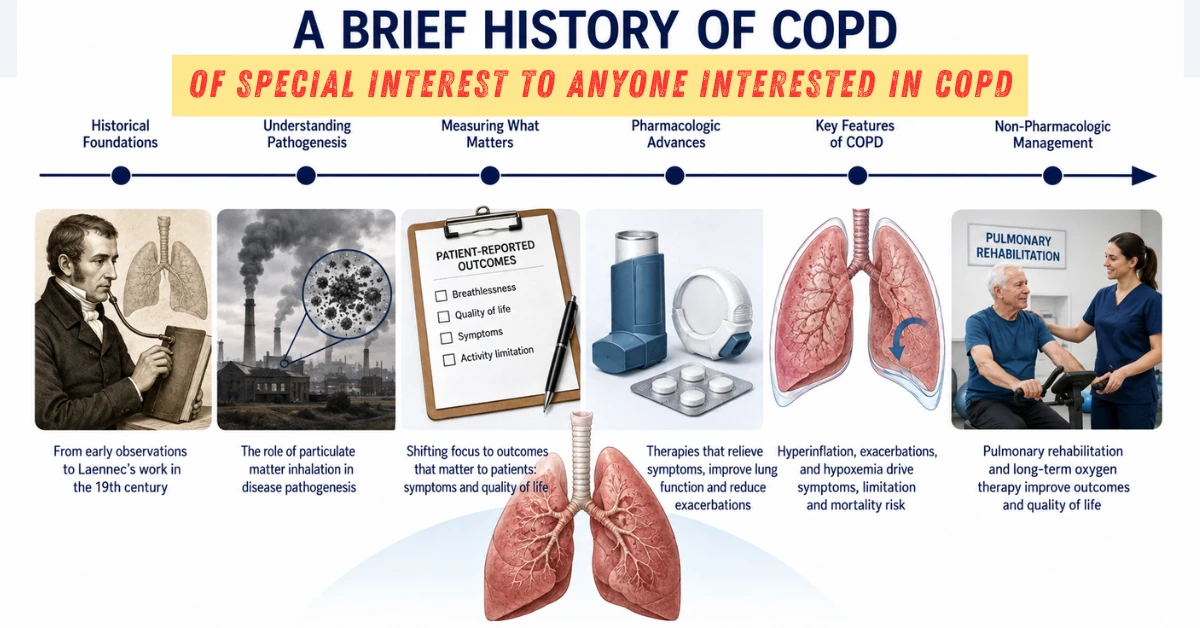
Explore the history of COPD and the evolution of disease concepts, treatment strategies, patient outcomes, pulmonary rehabilitation and clinical management.
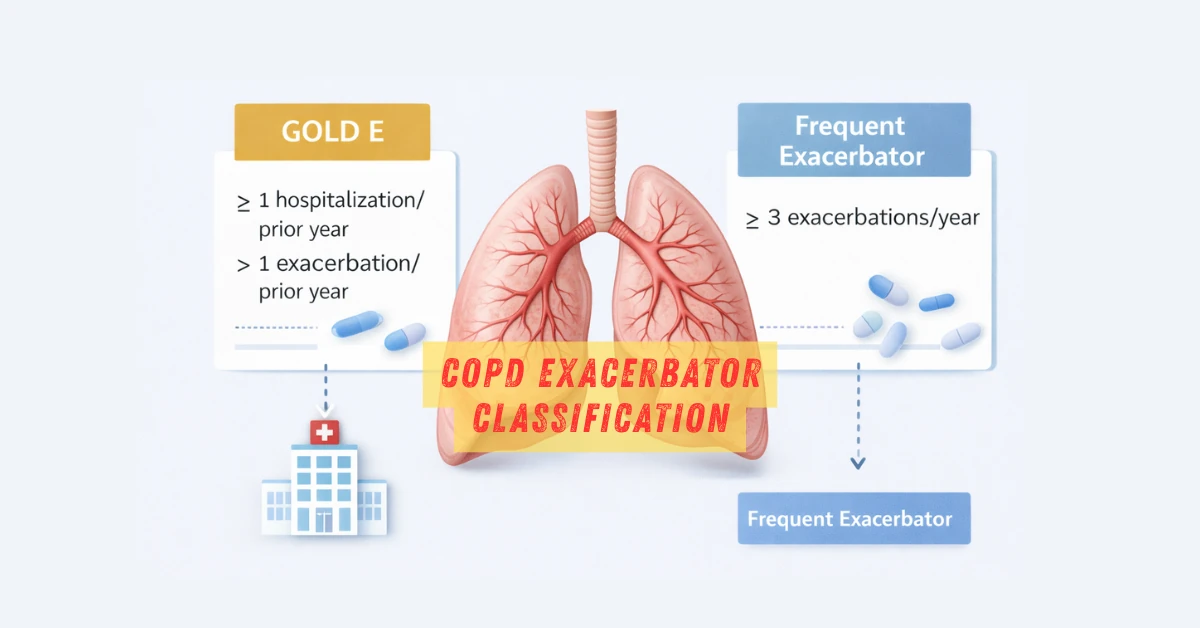
Comparison of COPD exacerbator classification systems (GOLD E vs Frequent Exacerbator) using proteomics and metabolomics to identify biological differences and biomarkers.

The ROME proposal for COPD exacerbations classification offers a new approach to assess severity and predict outcomes, improving clinical decision-making