
Video del evento: Transformando la EPOC, claves para un manejo proactivo
Conferencia sobre el manejo proactivo de la EPOC centrada en el infradiagnóstico, el control clínico y el seguimiento estructurado del paciente.
ECLIPSE: un estudio de tres años que cambió nuestra forma de entender la EPOC
A 20 años de ECLIPSE, repasamos el estudio que transformó la comprensión de la EPOC, revelando su heterogeneidad, progresión y biomarcadores clave.
Vídeo de la Presentación de las Novedades GOLD 2026
Video de la presentación «Novedades GOLD 2026», en el que se trataron, entre otros aspectos: cambios en diagnóstico de la EPOC, tratamiento, comparativa con GESEPOC, etc.
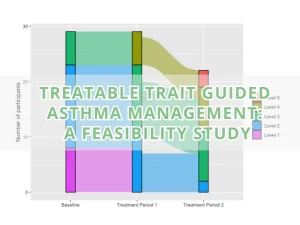
Treatable Trait Guided Asthma Management: A Feasibility Study
Protocolised treatable trait-based asthma management was acceptable to patients not under the care of a severe asthma clinic, associated with significant clinical benefit, and a full trial appears feasible.
Artificial Intelligence in COPD
Artificial Intelligence in COPD is transforming disease management, from underdiagnosis to treatment guidance. Discover how machine learning clusters patients, predicts outcomes, and optimizes healthcare resources.
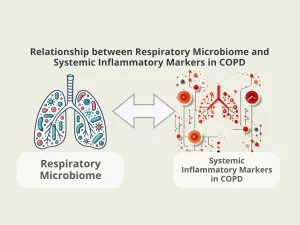
Relationship between Respiratory Microbiome and Systemic Inflammatory Markers in COPD: A Pilot Study
This study explores how changes in the respiratory microbiome relate to systemic inflammation in COPD patients. It highlights correlations between bacterial abundance, eosinophilic markers, and airflow limitation severity.