High prevalence of obstructive sleep apnea in patients with Long-COVID
Sleep Apnea in Long-COVID Patients
Long-COVID and Shared Sleep-Related Symptoms
Long-COVID (LC) is defined as the persistence of symptoms 12 weeks after the acute COVID infection not explained by any other alternative diagnosis. Its pathophysiology is poorly understood.
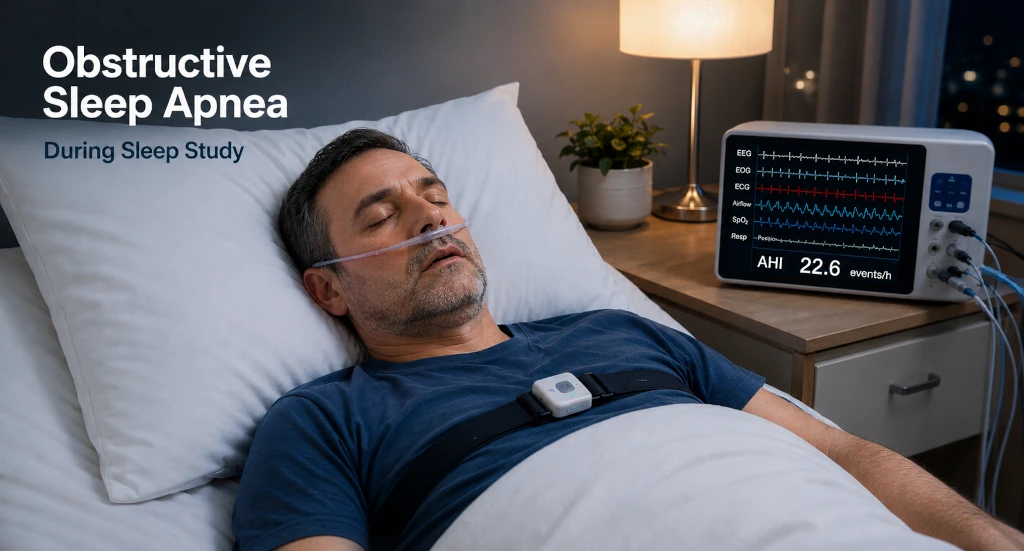
Obstructive Sleep Apnea (OSA) shares several clinical manifestations with LC, such as fatigue and low-quality sleep, however, thus far, their potential coexistence has been poorly addressed.
Prevalence of OSA in Long-COVID
We studied 73 patients with LC. Median AHI was 17.2 (24.14) events/h with a proportion of mild (27.4%), moderate (24.6%) and severe OSA (31.5%).
Objective questionnaires identified poor sleep quality and fatigue as the most prevalent symptoms and daytime sleepiness as the least prevalent.
Clinical Implications for Sleep Assessment
In this single-center, clinic-based LC cohort, OSA diagnosed by in-lab PSG was highly common.
Given that OSA is treatable, a sleep study should be considered in LC patients even in the absence of daytime sleepiness or in the presence of insomnia.
Authors
Victoria Mery, Nuria Albacar, Monica Matute-Villacís, Mireia Dalmases, Oriol Sibila, Àlvar Agustí, Cristina Embid
Read more details at
Fecha de publicación
June 2026
Categorías asociadas al artículo
Noticias relacionadas

Organizing pneumonia in hospitalized COVID-19 patients: risk factors and long-term outcomes
Study analyzing risk factors and one-year outcomes of organizing pneumonia in COVID-19 hospitalized patients, evaluating the impact of corticosteroid treatment at different doses.
Organizing Pneumonia in Hospitalized COVID-19 Patients: Risk Factors and Long-term Outcomes
Some patients develop post-COVID organizing pneumonia (OP), which is responsiveto treatment with corticosteroids.

Persistence of a SARS-CoV-2 T-cell response in patients with long COVID and lung sequelae after COVID-19
1 year after an acute COVID-19 episode, patients with either lung sequelae or long COVID show a stronger SARS-CoV-2-specific T-cell response than fully recovered individuals, suggesting persistent cell stimulation by residual viral reservoirs
Imagen desarrollada DALL·E y Canva